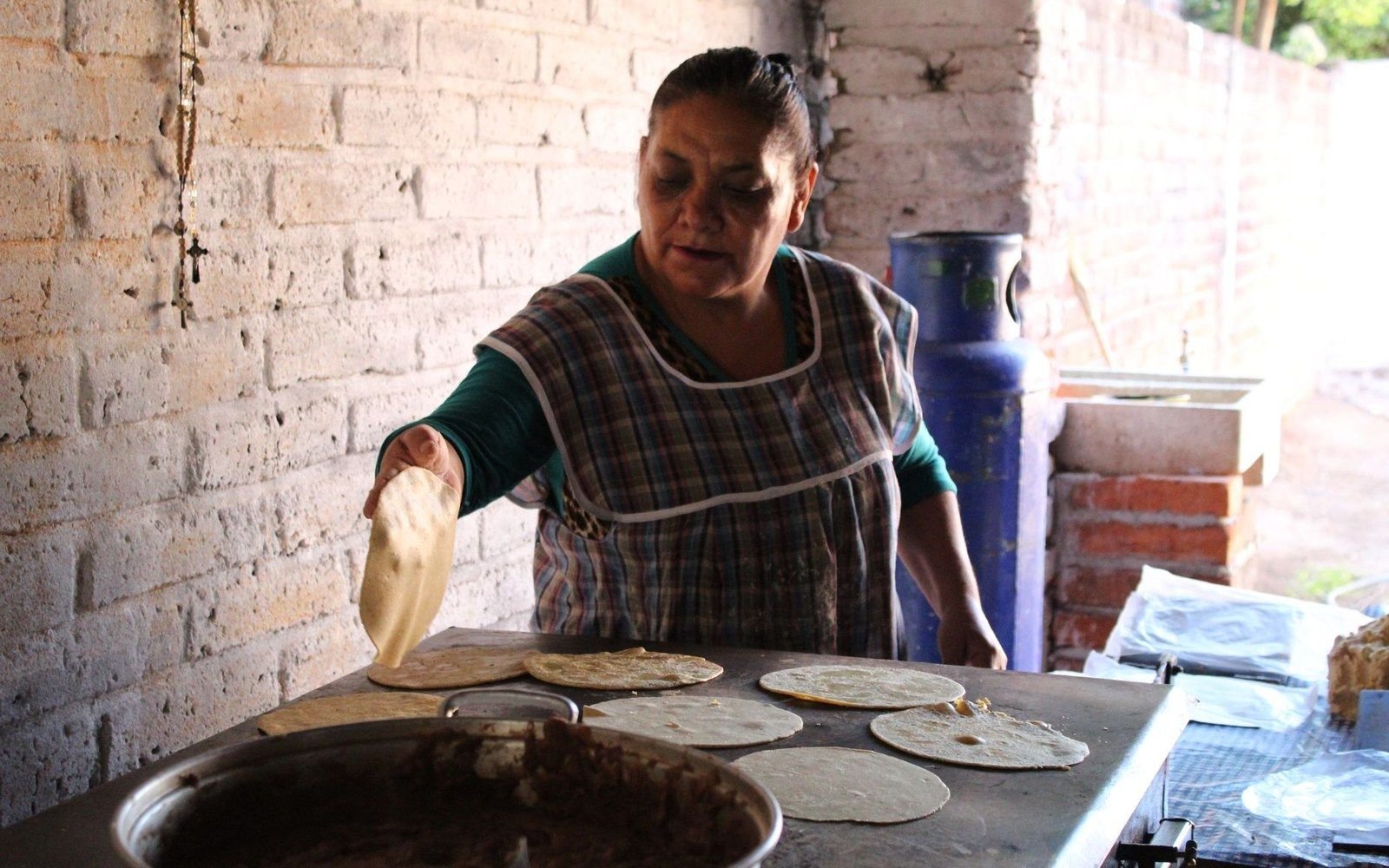
Who cooked it
Tex-Mex carries an American-sounding name, but the kitchen it describes belonged to Tejano families long before anyone labelled it.
The people, not the category
Tejano — Texan of Mexican descent — is not an ethnic footnote; it is a founding condition. Mexican families were farming, ranching and cooking in what is now Texas before the republic existed, before the annexation of 1845, before anyone drew a line and called one side the United States. Their foodways did not arrive from elsewhere and adapt. They were already there, already coherent, already regional. The name Tex-Mex came much later, and it came from outside.
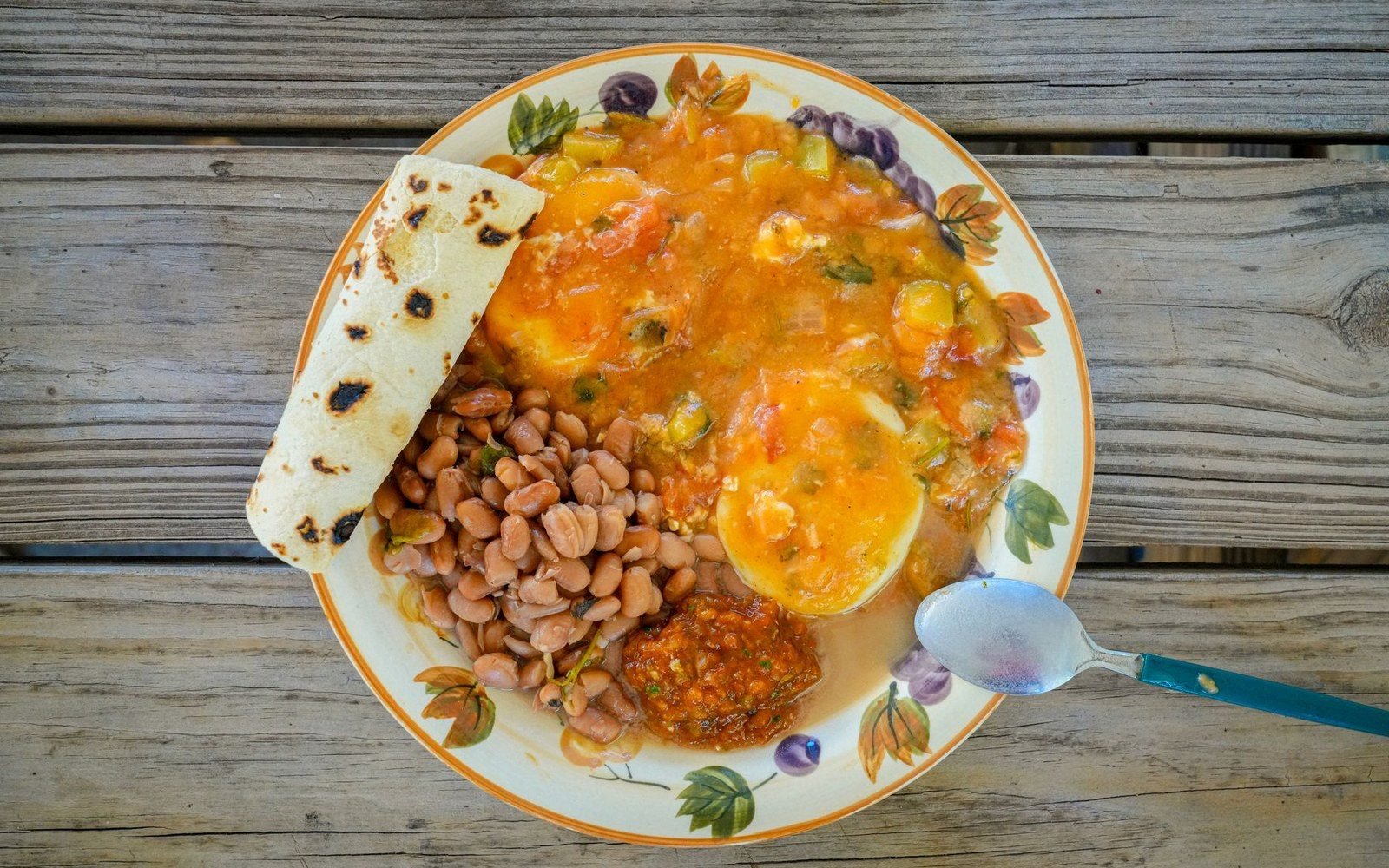
For most of the nineteenth century and well into the twentieth, this cooking had no genre label at all. It was simply what Tejano households made: masa ground on the metate, beans cooked low and long, dried chiles toasted and soaked, wheat-flour tortillas rolled thin in the northern tradition. The techniques were those of the border kitchen — a kitchen shaped by what northern Mexico and south Texas both had access to, which turned out to be much the same larder. Calling the results a fusion or a compromise misreads them entirely. They were a cuisine in the oldest sense: what a specific community cooked, in a specific place, over a long time.
Who actually stood at the stove
The cooks were overwhelmingly women, and they were overwhelmingly poor by the measures of the period. In San Antonio through the second half of the nineteenth century, the most visible expression of Tejano cooking was the street trade run by the Chili Queens — women who carried their own equipment into the plazas, built fires, cooked enormous pots of chile con carne and frijoles, and fed labourers, soldiers, merchants and tourists until the city's health ordinances pushed them out in the early twentieth century. The Queens were Tejana. The food they sold was the food their community had always eaten, now commercialised at the most informal possible scale.
 PL. 04
Indoors, the same pattern held. Tejano women ran home kitchens that fed extended families, and many of them fed Anglo employers and boarders too. The transmission of technique — how to handle masa, how to build a chile sauce, when the comal is hot enough — moved through family lines, between neighbours, across the back-fence conversations of working-class neighbourhoods in San Antonio, Laredo, El Paso, and dozens of smaller towns along the Rio Grande. There were no culinary schools involved. There were no printed recipes circulating in Spanish in these communities. The knowledge was embodied and oral, which is partly why it went uncredited for so long.
The name arrives late
The compound word Tex-Mex was used through much of the twentieth century to describe the railroad, certain legal arrangements, even a style of music — before it settled, somewhat dismissively, onto the food. When food writers and journalists began applying it in the 1970s, the word often carried a sneer: it meant cheap, debased, not really Mexican. What it actually described was a regional cuisine with deep roots, made by a community that had been in the territory longer than the state itself.
The irony is precise. The cuisine was renamed at the moment it became commercially visible to Anglo audiences — when it moved off the street and out of working-class neighbourhoods and into the suburban restaurant, where the restaurant turn standardised the plate and someone else took the credit. Yellow processed cheese that melts cleanly, chili gravy built on a wheat-flour roux, cumin used with a confidence found nowhere else in North American cooking — these are not accidents or compromises. They are the accumulated decisions of Tejano cooks working with what they had and what they knew, across generations.
Understanding who cooked this food does not change what is on the plate. But it corrects the record. Tex-Mex is not a category that American commerce invented and applied to vaguely Mexican ingredients. It is what authentic means here: a regional cuisine, named by outsiders, that was always the everyday food of a specific community — Mexican families in Texas, cooking in the only tradition they had ever known.
 PL. 03