What authentic means here
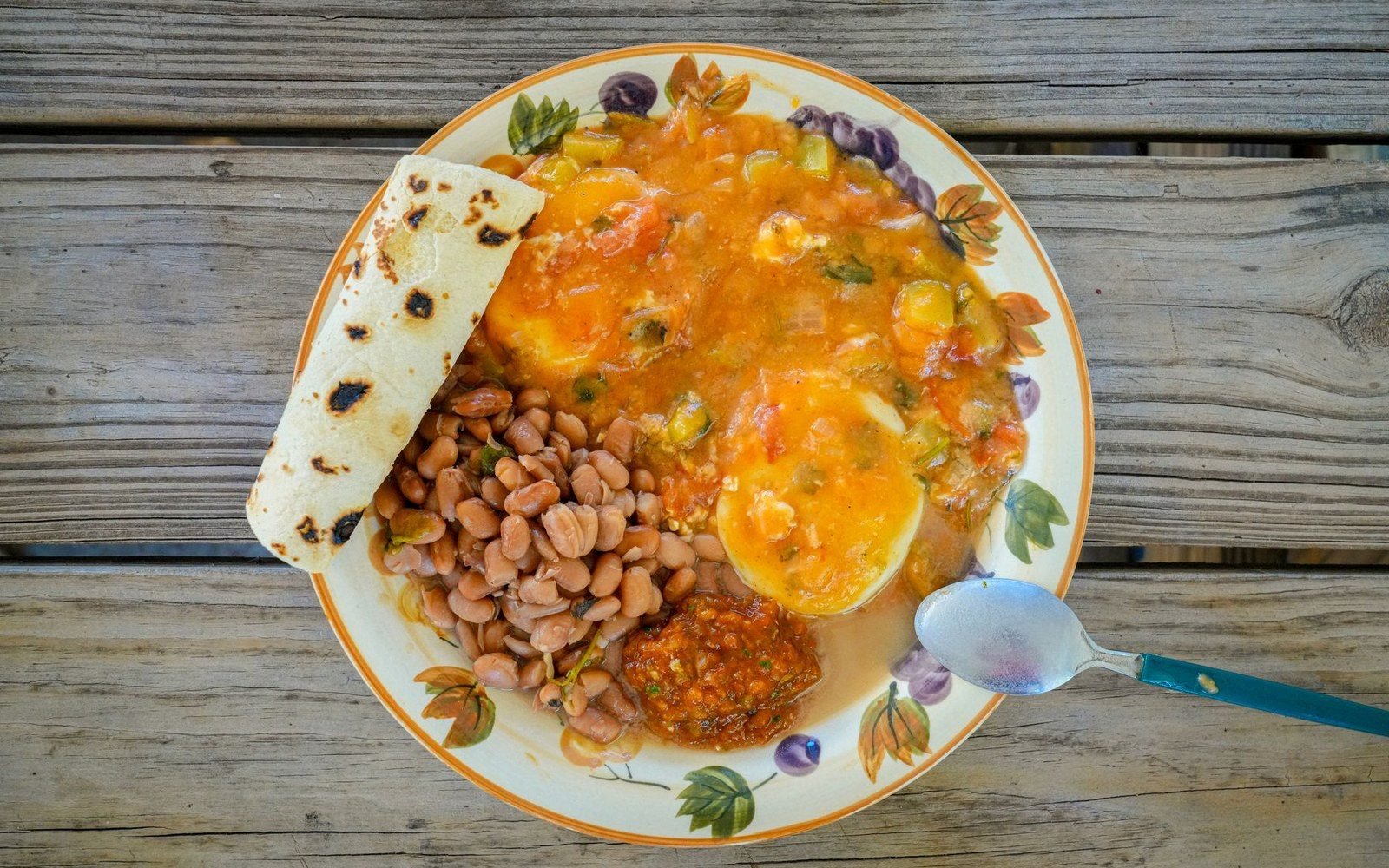
The features that get dismissed as shortcuts are, in most cases, the genuine regional markers of a northern Mexican and Texan kitchen.
The wrong test
Pick up any mainstream guide to "real" Mexican food and the checklist writes itself: no yellow cheese, no cumin-heavy chili powder, no wheat flour, no roux-thickened sauce. Everything Tejano cooking does with confidence, the guide marks as deviation. The problem is not the food — it is the instrument being used to measure it.
Tejano cooking is the work of Mexican families in Texas, shaped by the specific larder of northern Mexico and the south Texas borderlands. That larder was never identical to Oaxaca's or Veracruz's, and it was never meant to be. The border kitchen ran on what the north had: cattle, wheat, dried chiles, lard, and — once processed cheese became available and behaved well on a hot plate — yellow cheese that melted without breaking. Each of those choices has a logic.
Cumin arrived in south Texas with Canary Islander settlers in the eighteenth century and became so thoroughly embedded in the regional palette that its absence would be the anomaly. The flour tortilla is not an American shortcut applied to Mexican bread; it is a northern Mexican wheat tradition that predates the Texas Republic. The roux-thickened chili gravy poured over enchiladas is not a corruption of a mole — it is its own thing, developed in its own context, and calling it inauthentic requires ignoring the context entirely.
 PL. 04
The right question
Authenticity is not the wrong idea. It is a useful idea pointed at the wrong target. Applied regionally — is this what this community, in this place, at this period actually made and ate? — it becomes precise and interesting. Applied as a national-purity test, it flattens a country whose food varies dramatically from state to state and mistakes one region's tradition for the standard against which all others fail.
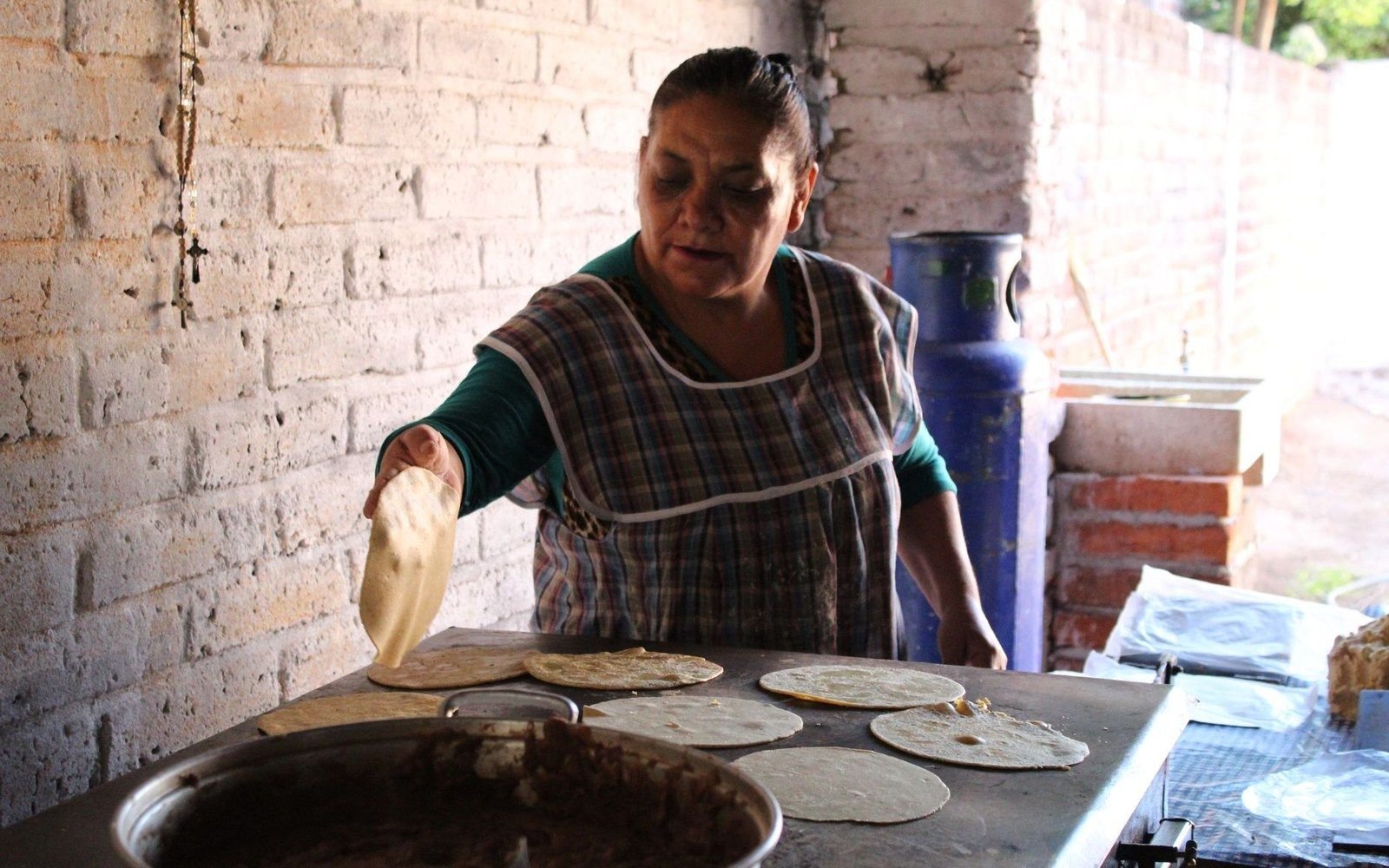
The Chili Queens working San Antonio's plazas in the nineteenth century were not approximating some truer dish available elsewhere. They were making the dish. The women who rolled flour tortillas on a board in Laredo or Brownsville were not settling for second best. They were feeding their families from the tradition they had. The cumin, the yellow cheese, the wheat, the chili gravy — read as compromise, these are substitutions. Read correctly, they are the cuisine.
A kitchen earns the word authentic by doing what it has always done, with the ingredients available to it, for the people it feeds. By that measure, Tejano cooking is exactly as authentic as any other regional tradition. It has simply had to argue the case against critics who brought the wrong map.
 PL. 03