
The word Tex-Mex
A railroad shorthand that took a century to become a food term — and the cooking was already old by the time the label arrived.
From Freight Codes to a Cuisine
The hyphenate appears in print well before anyone used it to describe enchiladas. In the nineteenth century, Tex-Mex was railroad shorthand — a compressed label for the Texas-Mexican Railway, a line chartered in 1875 to run freight and passengers between Laredo and Corpus Christi. The abbreviation was practical, nothing more. It said nothing about kitchens.
For decades afterward the term drifted through journalism and casual speech as an adjective for anything straddling the Texas-Mexico border: border culture, border people, border speech. It carried a faint condescension when Anglo writers used it about Tejano communities, implying mixture as diminishment. The food those communities cooked attracted no special label; it was simply what people ate.
The shift toward cuisine happened slowly across the middle of the twentieth century, as Mexican food spread north through Anglo Texas and restaurants serving a regularised version of the border plate multiplied. By the 1960s food writers were reaching for a word that distinguished the San Antonio enchilada plate — yellow cheese, chili gravy, wheat-flour tortilla on the side — from what those same writers imagined Mexico proper to serve. Tex-Mex was available, and it stuck.
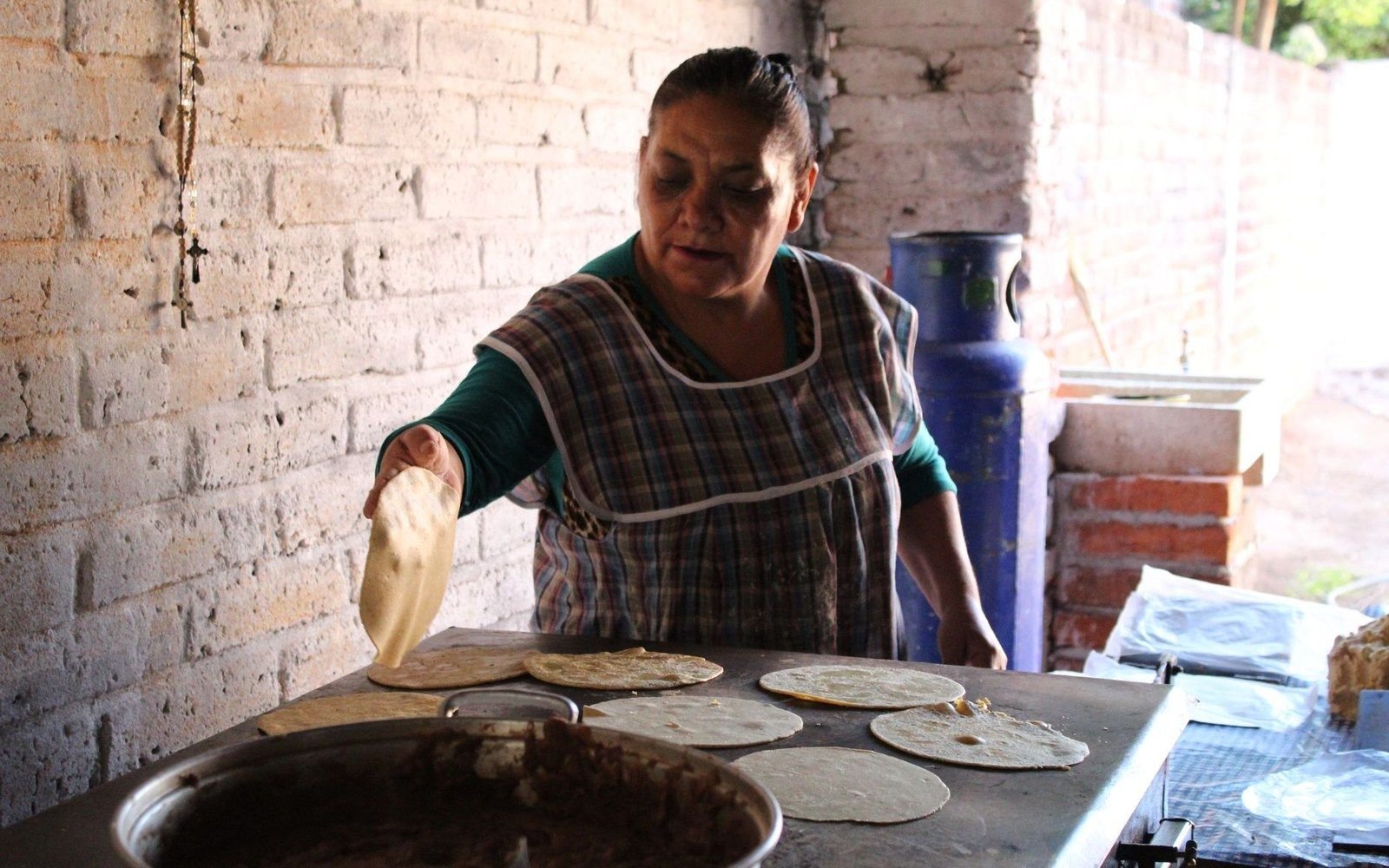
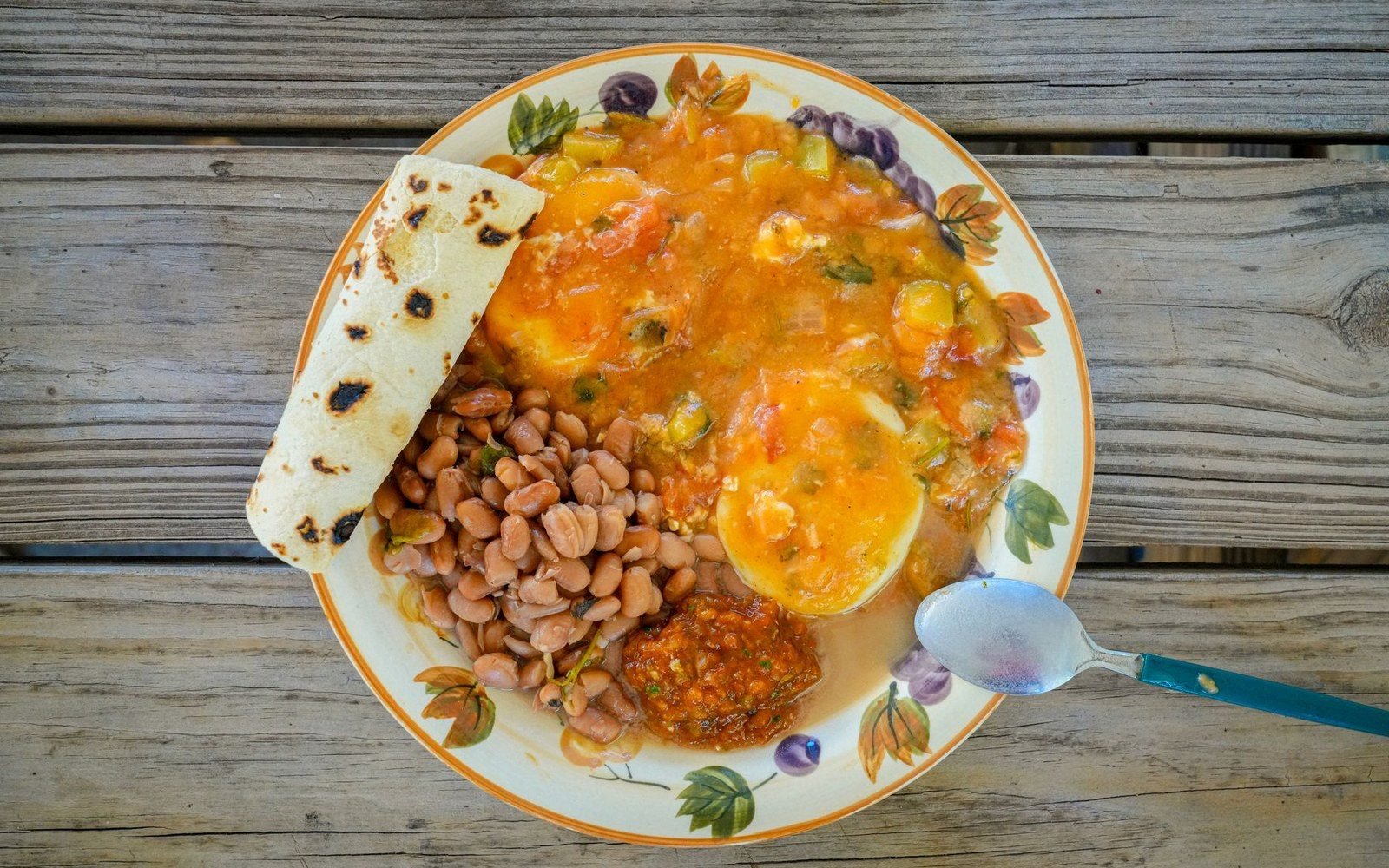 PL. 04
It gained critical mass, and a polemical edge, in 1972, when the food writer Diana Kennedy published The Cuisines of Mexico and drew a sharp line between regional Mexican cooking and what she characterised as an American simplification of it. Kennedy did not invent the term, but her dismissal of the border plate crystallised the debate: Tex-Mex as corruption versus Tex-Mex as its own thing. That argument ran for decades and, in some corners, still runs.
What the label obscured was the age and specificity of the cooking itself. The dishes dismissed as Tex-Mex — chili con carne, the masa preparations, the chili-thickened gravies, the particular role of cumin — were the product of Tejano communities working a specific larder across generations. The word arrived late, applied from outside, and it arrived carrying assumptions the cooking had never carried about itself.
The term is now mostly rehabilitative. Food historians use it precisely: a regional American cuisine with definable techniques, a traceable geography, and roots in the Mexican families of Texas rather than in any Anglo invention. The railroad abbreviation outlived its original meaning, shed its condescension, and ended up naming something real — even if it took a hundred years to do it honestly.
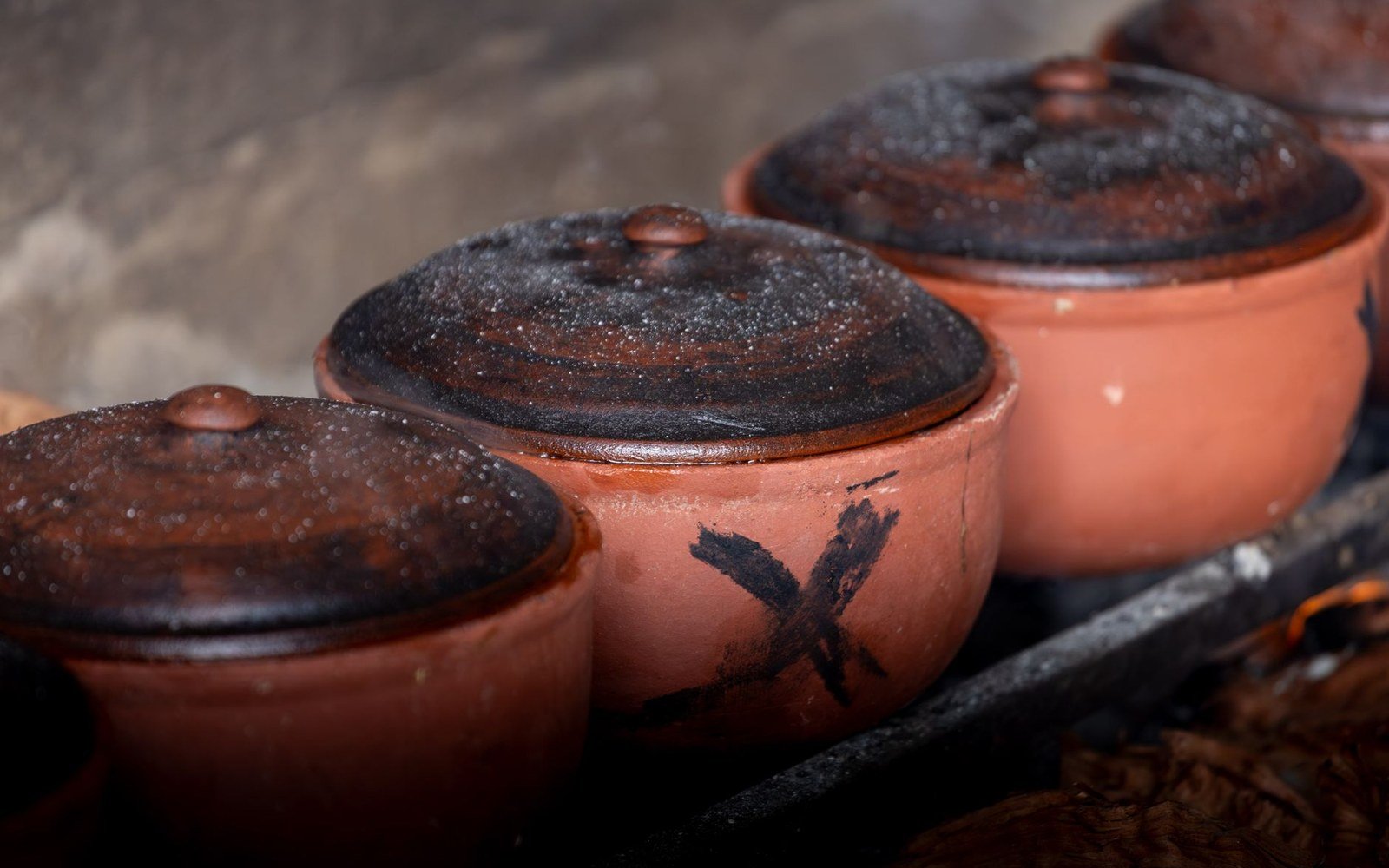 PL. 03