The flour tortilla
The dough that won't stretch until it's ready — and why that pause is part of the recipe.
Rest, gluten, and the roll
Flour tortillas begin with a simple dough: flour, fat, salt, and hot water. The fat is traditionally lard, and its role is structural — it coats some of the flour's protein strands before hydration, which shortens the gluten network and keeps the finished tortilla tender rather than tough. Hot water accelerates hydration and begins to relax the proteins from the start.
But the dough fights you before it cooperates. Mix it, and the gluten is tight and elastic — pull a piece and it snaps back. Try to roll it thin at this stage and it resists, contracts, tears at the edges. This is not a flaw. It is gluten behaving exactly as it should: freshly worked protein networks are coiled and tense, and they need time to unwind.
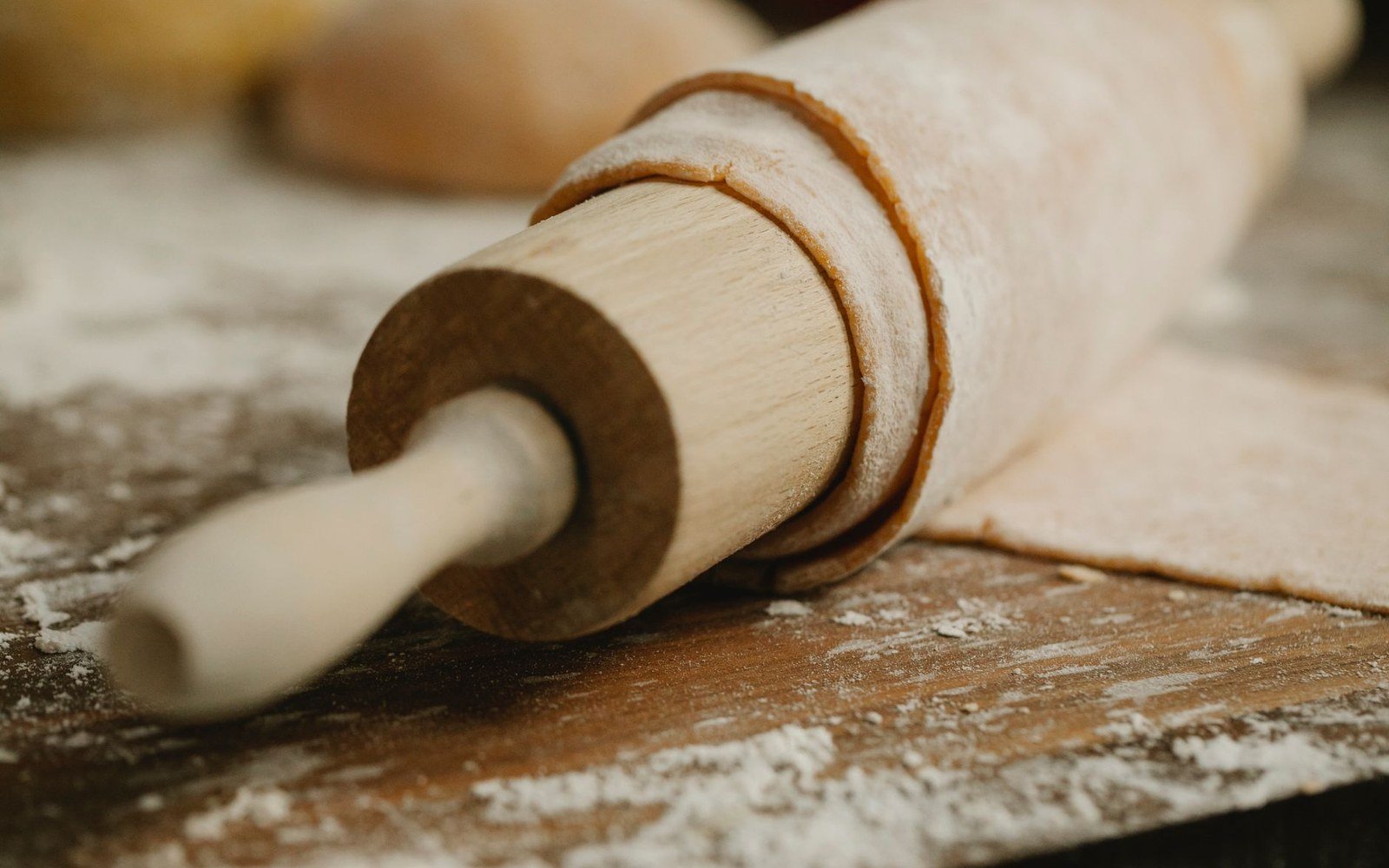
Rest fixes this. Set the dough aside for twenty minutes to half an hour, covered so the surface doesn't dry, and the gluten strands relax into a more extensible structure. After that rest, the dough rolls out smoothly, holds its shape on the board and doesn't spring back under the pin. The rest is not optional; it is part of the technique.
 PL. 04
Once divided into balls — each one rested a second time if you're working in quantity — the rolling itself follows the structure of the dough. A flour tortilla rolls out from the centre outward, and the cook rotates it rather than working back and forth, which would stress the gluten unevenly and pull the round out of shape. The goal is uniform thinness across the whole surface, because uneven thickness means uneven cooking on the comal.
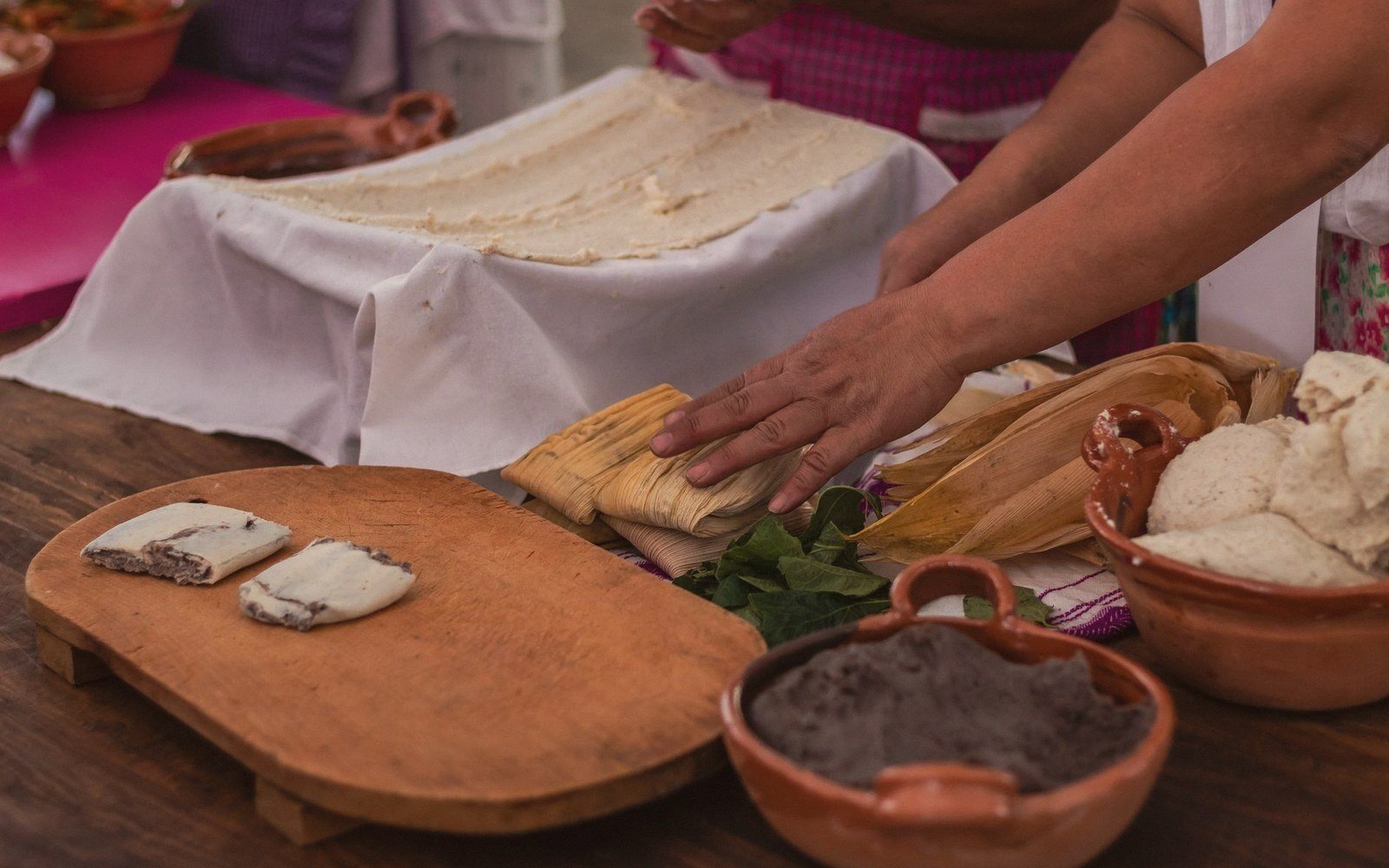
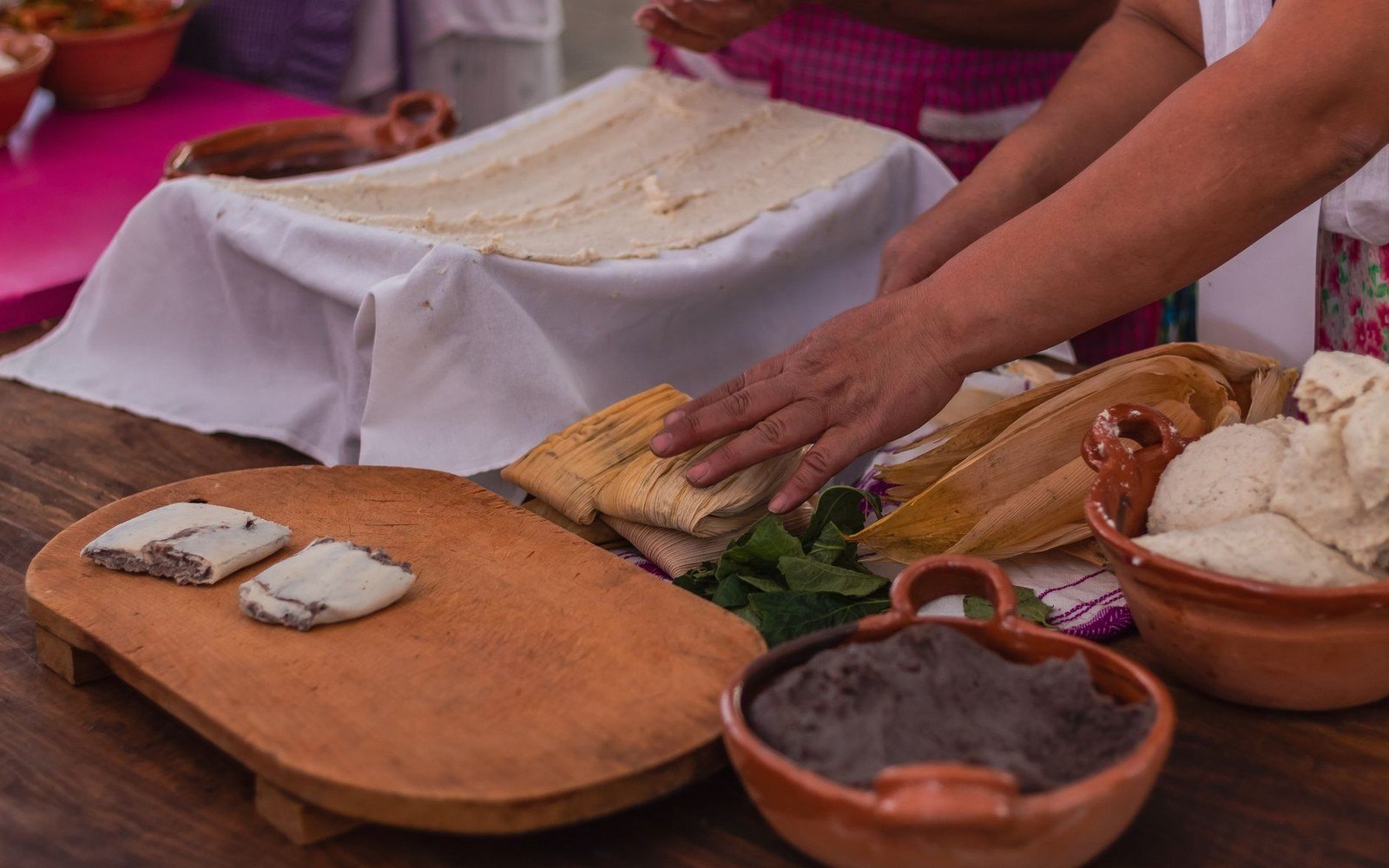
The flour tortilla as a northern tradition is rooted in the wheat belt of northern Mexico — Sonora, Chihuahua, and across into south Texas — where wheat flour was the practical grain and lard was the practical fat, long before the cooking crossed any border. The technique travelled with the families who made it.
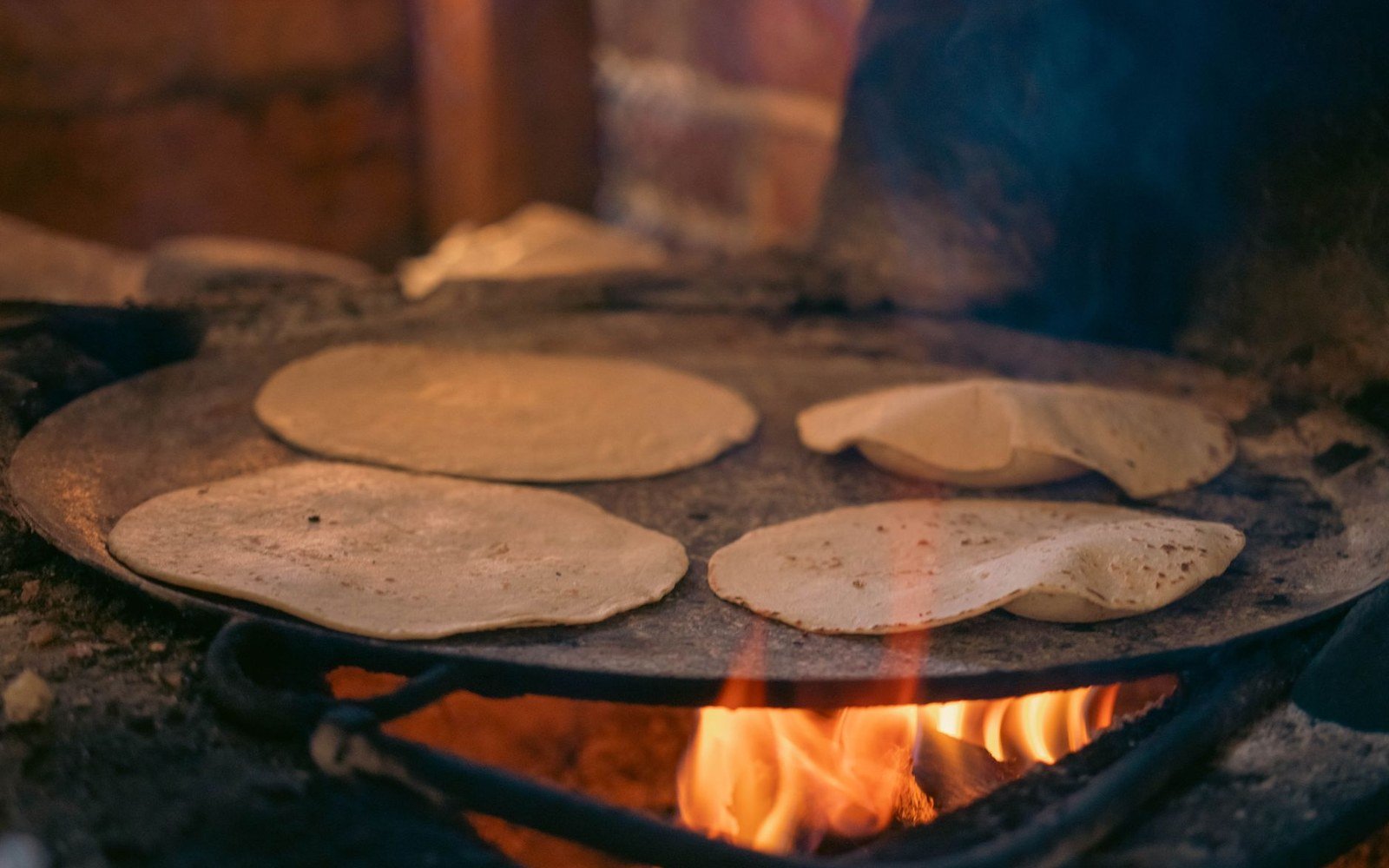
On the comal — the flat iron griddle set over direct heat — a properly rolled tortilla puffs in spots where steam is trapped between the layers. Those blisters are a reliable sign the heat is right and the dough was thin enough. The cooked side shows the pale gold marks of contact; the uncooked side inflates and then settles. Two passes, a turn, a press if needed, and the tortilla comes off pliable, with a faint wheaten smell and enough flex to fold without cracking.
The chemistry is unspectacular but exact: protein development, fat interference, hydration, time. Each step explains the next.
 PL. 03