Wheat
Wheat came north with the Spanish colonial frontier, not with American industrialisation — and in Sonora, Chihuahua and the Rio Grande borderlands, it became the local grain.
A Northern Grain, Not a Substitute
The flour tortilla is sometimes read as a compromise: corn was the real thing, wheat arrived later and displaced it for people who had lost access to the traditional. That reading is wrong. Wheat has been grown in what is now northern Mexico and south Texas since the seventeenth century, and in the states of Sonora and Chihuahua it became genuinely dominant — the grain that farmers planted, that millers ground, that households knew. By the time the Texas borderlands developed their own kitchen tradition, a wheat tortilla was not an adaptation of anything. It was simply what the region made.
The Spanish brought wheat to the Americas in the sixteenth century, and Franciscan missions along the northern frontier were cultivating it by the early 1600s. The higher altitude and drier climate of the north suited wheat reasonably well, and the terrain that made reliable corn cultivation difficult made wheat a practical alternative. Lard — itself abundant in a cattle and pig economy — provided the fat that made a wheat dough supple enough to roll thin, and the result was a tortilla that behaved nothing like a corn one: stretchy, foldable when warm, blistering faintly on a hot comal. The flour tortilla that Tex-Mex cooking inherited was already old before Texas became a state.
What Wheat Changed About Size
Corn masa has structural limits. Nixtamalised corn, pressed thin and cooked dry, holds together because the masa is hydrated, gelatinised starch — pull it too wide and it cracks. A corn tortilla pressed for the griddle is therefore modestly sized, typically six to eight inches at most, and it stays that way not out of convention but out of physical necessity.
 PL. 04
Wheat dough, developed with fat and rested to relax the gluten, stretches. A practised hand can roll it to ten, twelve, even fourteen inches without tearing, and the warm dough will hold that diameter rather than springing back. This is not a trivial difference. A large flour tortilla can wrap a substantial filling — it becomes a burrito, it becomes a rolled enchilada, it becomes a vehicle for quantities of rice, beans and meat that a corn tortilla simply cannot contain. The size of the thing determines the category of dish.
The borderlands kitchen exploited this directly. The oversized wheat tortilla became the unit around which certain dishes were built, and when those dishes moved into San Antonio restaurants and then into the wider Tex-Mex repertoire, they carried the wheat tradition with them even when the menus offered both. A restaurant diner ordering a burrito in San Antonio was eating, whether they knew it or not, the downstream consequence of wheat agriculture in colonial Sonora.
Wheat and the Table Together
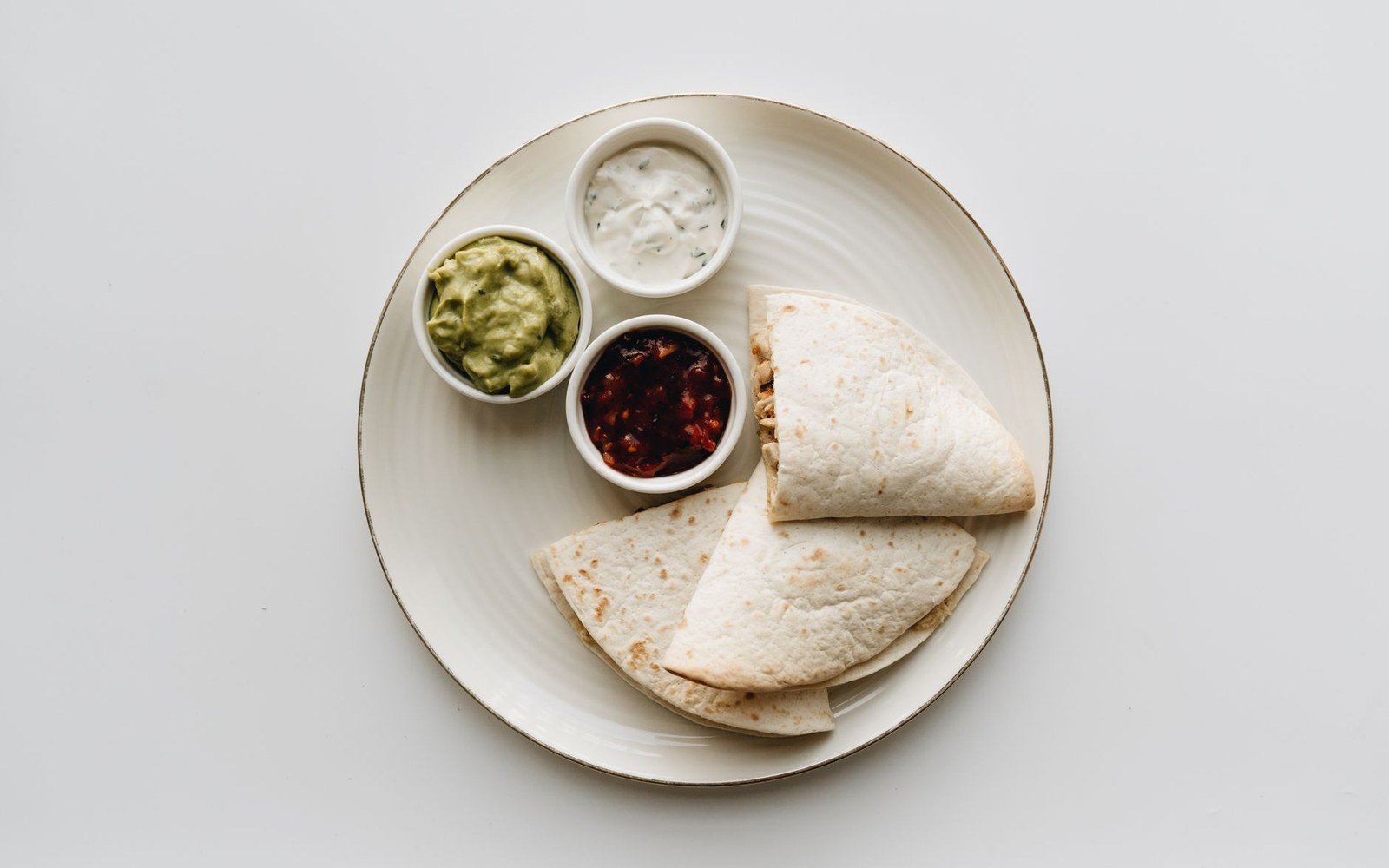
Neither grain replaced the other in Tejano cooking, and this is worth insisting on. The same table might carry flour tortillas for some dishes and corn for others: the corn masa of a tamale, the corn tortilla fried stiff for a crispy taco, the flour tortilla soft and warm for a breakfast wrap or a quesadilla. The two grains had different roles because they had different textures, different tolerances and different histories. Corn was central and ancient; wheat was northern and equally real. What the border kitchen understood was that the choice between them was a practical and contextual one, not a hierarchy.
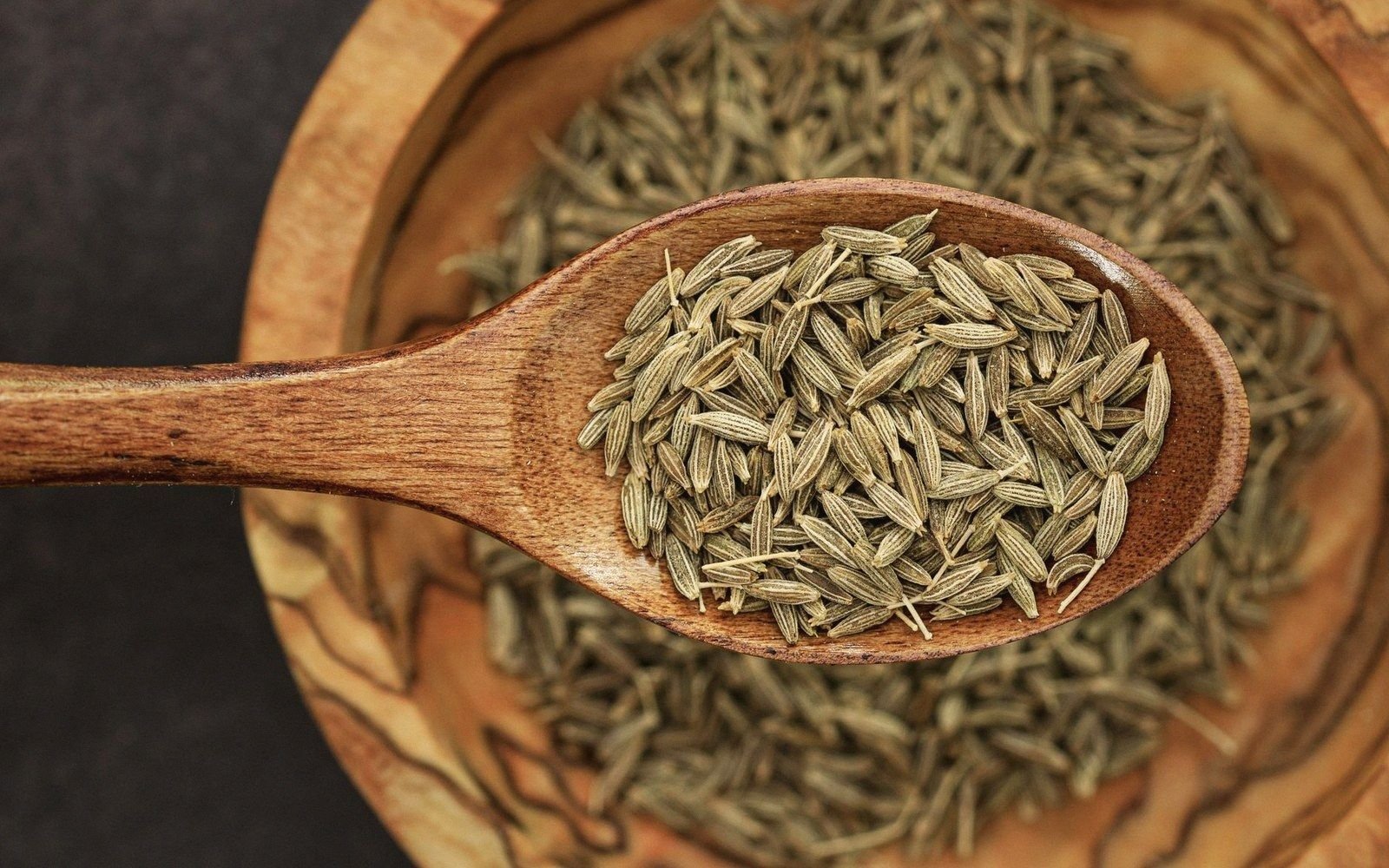
When twentieth-century observers called the flour tortilla a degraded version of the corn original, they were describing a corn-centric central Mexican tradition and applying it, incorrectly, to a region where wheat had never been a newcomer. The northern borderlands were wheat country. The large, lard-softened flour tortilla is as native to that geography as cumin is to the city that the Canary Islanders helped build. It arrived with the frontier, stayed through every political change that redrew the map, and is still the thing a Tejano cook reaches for when the dish calls for stretch.
 PL. 03