The border kitchen
Two economies of ingredient met along the Rio Grande, and the cooking that came out of it belongs to neither side alone.
What the pantry actually held
The northern Mexican kitchen was already distinct from the cooking of the Mexican interior long before the border was formalised in 1848. Sonora, Chihuahua, Coahuila, Nuevo León — these were cattle and wheat territories, dryer and more sparsely supplied than the valley states to the south. Dried chiles, dried beef, rendered lard, beans, and masa ground from field corn were the staples; the tomato-rich sauces and the complex mole tradition of Oaxaca or Puebla barely reached here. What the north had was a leaner, harder larder, and the cooking it produced was straightforward in its technique, intense in its flavour.
South Texas matched that larder almost exactly, because south Texas was that larder — the same cattle ranches, the same dry grassland, the same Tejano families farming and vaquero-ing across land that the treaty line ran through rather than dividing in any practical sense. The communities on both sides shared kin, seasonal labour, language and kitchen logic. What changed after 1848 was not the cooking; it was the political geography the cooking happened inside.
What the Texas side gained gradually, and especially after the rail lines came through San Antonio and Laredo in the 1880s, was access to Anglo-American trade goods: processed wheat flour in quantity, canned goods, and — critically — the processed cheeses that melted cleanly under heat. Yellow cheese arrived not as a corruption of anything but as a practical addition to a kitchen that already understood what a melting fat does to a sauce. Lard was the original emulsifier in this cooking; a cheese that behaved like lard — that stayed smooth under heat rather than breaking — fitted the existing logic without disrupting it.
 PL. 04
What the technique required
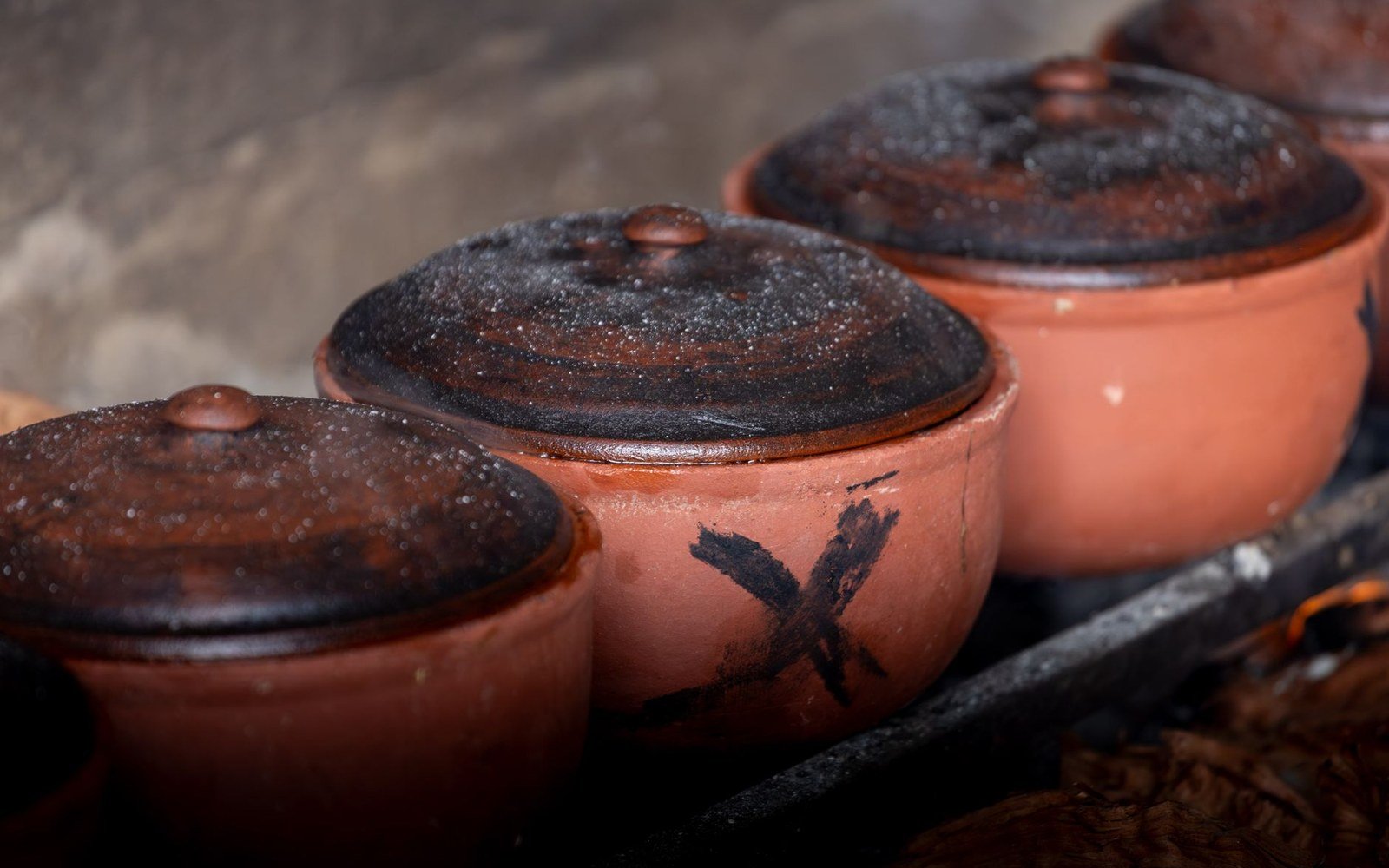
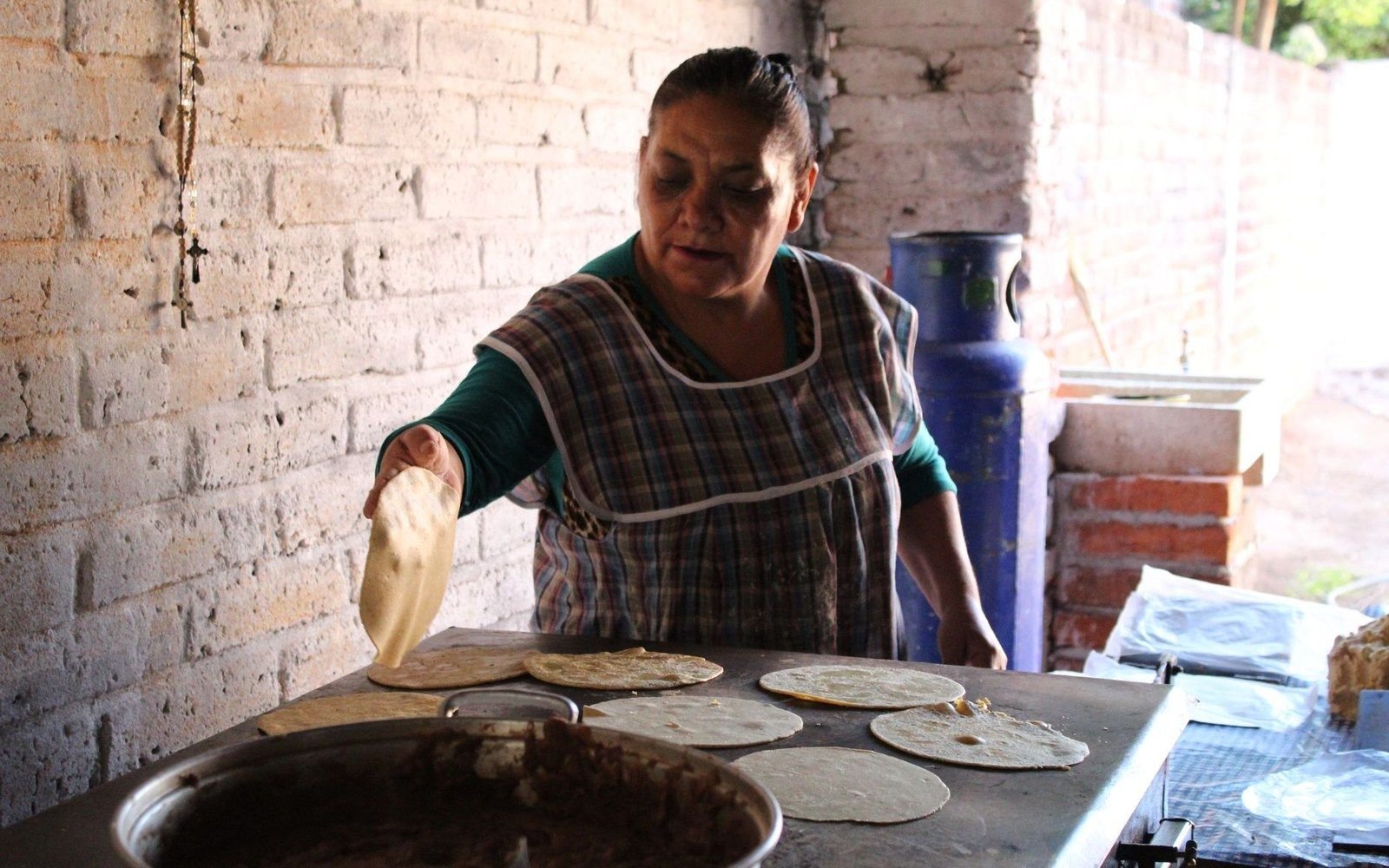
The border kitchen ran on the comal, a flat griddle that is one of the oldest cooking surfaces in Mesoamerica, and on the cast-iron pot. Between them those two tools cover most of what the tradition produces: dried chiles toasted dry on the comal before soaking, tortillas cooked in the dry heat that produces the blister, beans and braised meat in the pot. What the technique required above all was patience with transformation — nixtamalisation, the lime-cooking of dried corn that unlocks its nutrition and makes masa workable, is not a shortcut process, and neither is a proper dried-chile braise.
The flour tortilla — already a northern tradition before Texas — extended that comal logic into wheat. A corn tortilla and a flour tortilla are cooked identically; what differs is the dough, the gluten structure, and the flexibility of the finished thing. Both were everyday bread in the border kitchen, and neither was considered a special-occasion item. The distinction drawn later, in which corn is read as more authentically Mexican and flour as more assimilated, is a distinction the kitchen itself did not make.
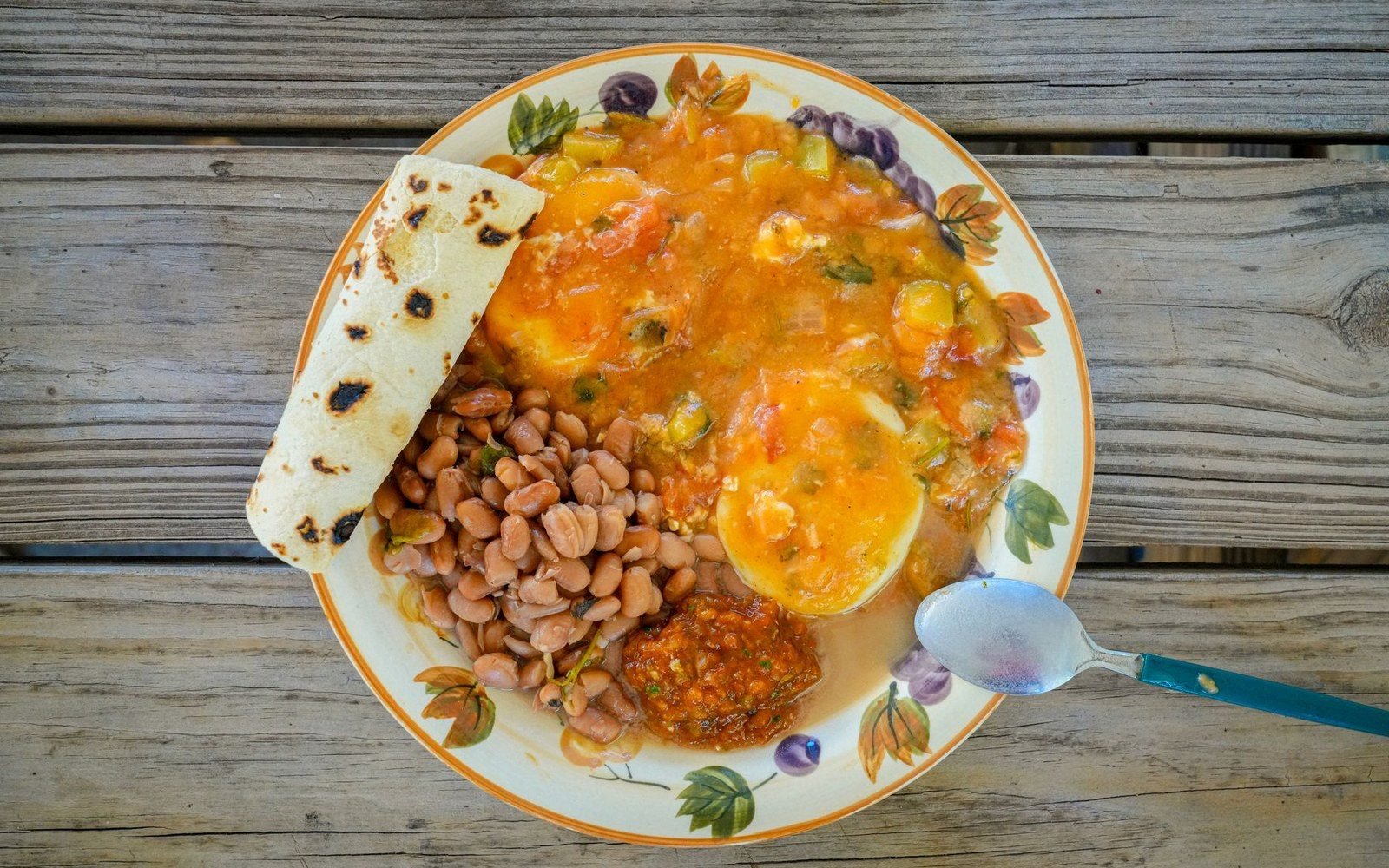
Chili gravy is perhaps the clearest example of what the border kitchen actually was: dried chiles, cumin, lard and wheat flour, combined in a roux technique that reads as southern American but deploys flavours that are entirely northern Mexican. No single origin explains it. It is a genuinely local synthesis — not a dilution of one tradition by another, but a new form that only makes sense where both traditions had been running in the same kitchen for generations.
Why it looks like neither one alone
The border kitchen confuses people who come to it expecting to find either a Mexican regional cuisine or an American adaptation of one. It is neither, which is the point. It developed in a continuous community across a line that divided a nation-state, not a culture, and it drew on whatever that community had available: the chile and the cumin and the comal from the deep Mexican north, the processed cheese and the commercial flour and the cast-iron roux technique from the Anglo-American economy pressing in from the east. The synthesis is not a compromise. It is the record of how a specific people fed themselves in a specific place.
 PL. 03