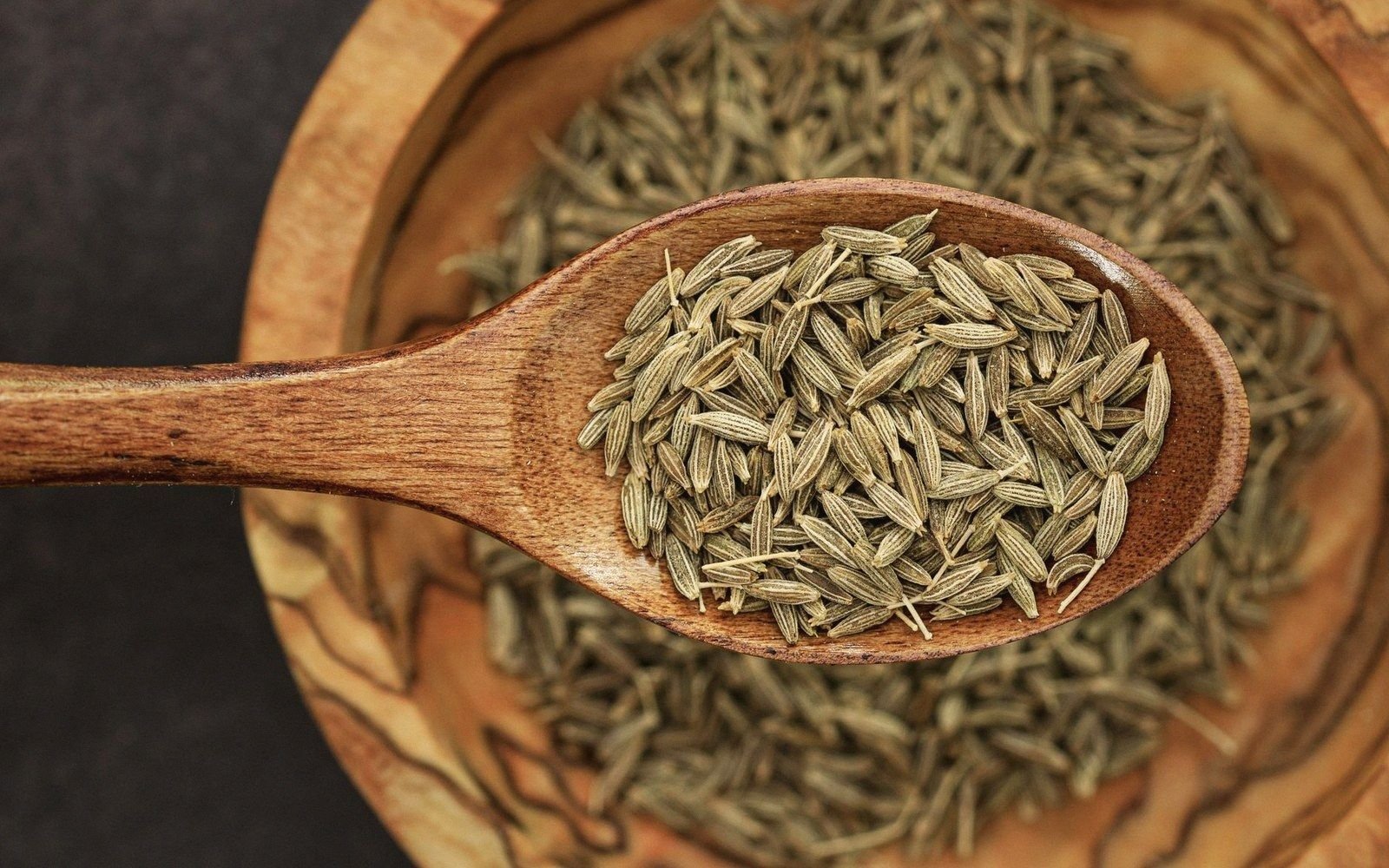
Cumin
The spice most closely associated with Tejano cooking arrived with settlers from the Atlantic, not from Mexico City — and its dominance in the border kitchen is a historical fact, not a flavour habit.
Where the comino came from
Cumin — comino in Spanish — reached south Texas by a specific route. In 1731, a group of Canary Islander families arrived in San Antonio de Béxar, recruited by the Spanish Crown to bolster a settlement that had existed, precariously, as a mission and military outpost. The Canary Islands had been a cumin-growing region since at least the fifteenth century, and the spice was built into the islanders' cooking in a way that had no parallel in central Mexican cuisine. These settlers became the founding civilian population of San Antonio, and their pantry came with them.
That distinction matters. Cumin is not a dominant note across Mexican regional cooking as a whole. Oaxacan moles work around it; Yucatecan cooking reaches instead for achiote and habanero; even many dishes from Jalisco use it sparingly. Northern Mexican cooking, and the Tejano tradition that grew from it, are different — and the Canary Islander settlement is a plausible, documented reason why. The spice did not drift north through some generalised cultural osmosis. It arrived with particular people in a particular year and took root in a place.
What it does in the pot
Cumin is a warm, slightly bitter seed whose volatile oils develop only under heat. Tex-Mex cooking activates it in two ways. Dry-toasting whole seeds before grinding concentrates those oils and rounds the raw edge; more commonly in the Tejano kitchen, ground cumin goes directly into hot fat or into a chile paste as it cooks down, blooming in the oil rather than sitting raw in a sauce. The difference is audible — the seed or powder hisses briefly when it hits the surface — and the flavour that follows is earthier and less sharp than the same spice added late.
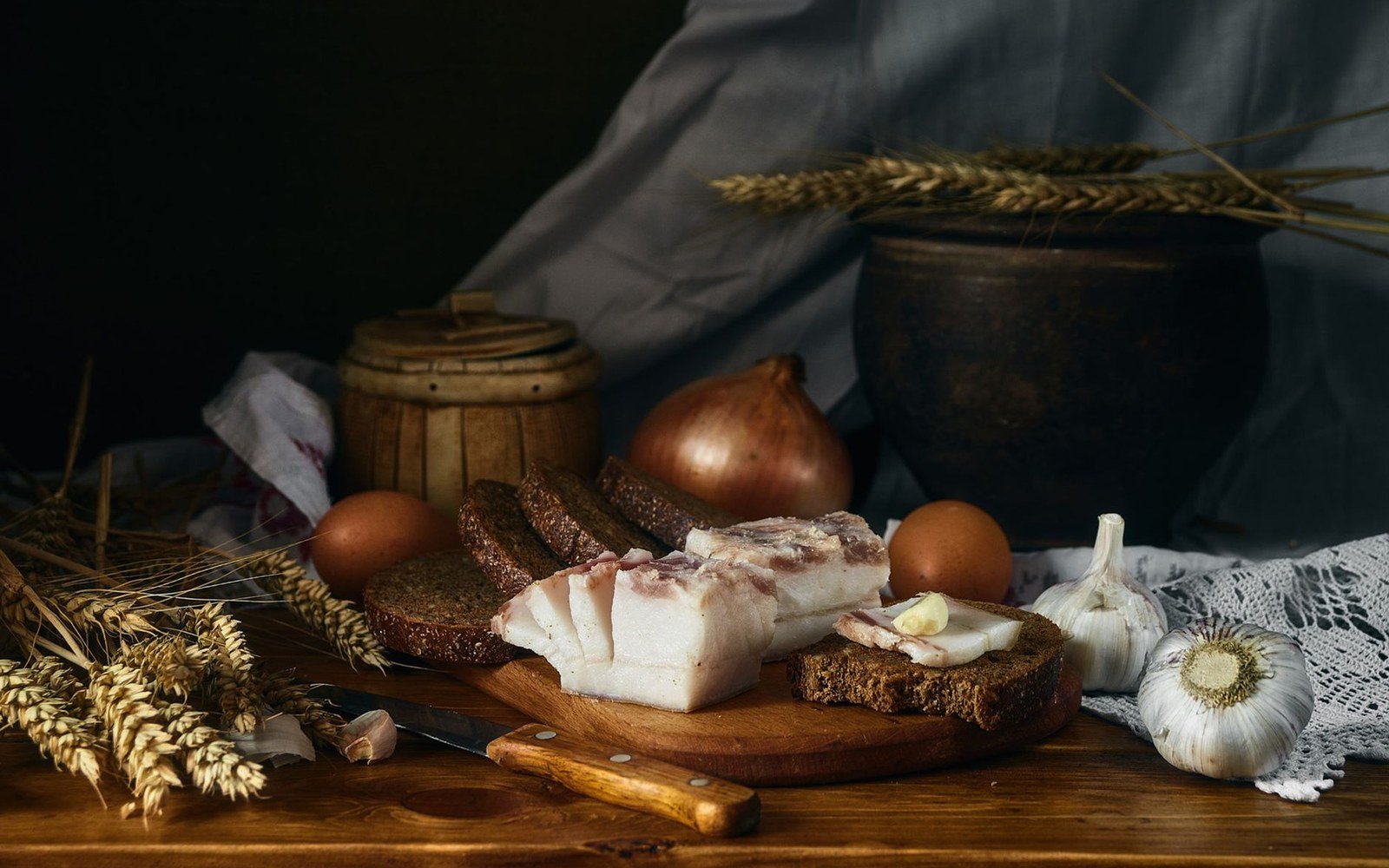 PL. 04
In chili con carne, cumin is structural, not decorative. The Chili Queens of San Antonio's plazas built their pots around dried chiles, beef, and comino, and the combination became so identified with the city that the dish's regional DNA is legible in the spice ratio alone. The same logic runs through chili gravy, the roux-thickened sauce that anchors a plate of enchiladas: cumin is in the base, not sprinkled on top, because it needs time and fat to do its work.
Why the quantity reads as excess elsewhere
The amount of cumin that a well-made bowl of chili or a plate of Tejano enchiladas carries can read as aggressive to someone raised on central Mexican cooking, and that reaction is honest — the two traditions really are different. What the reaction should not produce is the conclusion that Tex-Mex cooking is simply Mexican cooking with the seasoning turned up. The cumin level is a regional marker, calibrated to a specific tradition with its own history. It is not the residue of cooks who lost track of the spoon.
The same charge — too much cumin, too uniform — was levelled at Tejano food by mid-twentieth-century writers who were measuring it against a Mexican standard it was never trying to meet. The border kitchen was working with what northern Mexico and south Texas had, and what those places had, from 1731 forward, was a culture in which comino was foundational. Calling the result heavy-handed is like calling a Provençal dish too herbal: the critique mistakes identity for error.
Comino in Tejano cooking is not background warmth. It is the foreground, placed there deliberately, by cooks who knew exactly what they were doing and had been doing it for generations.
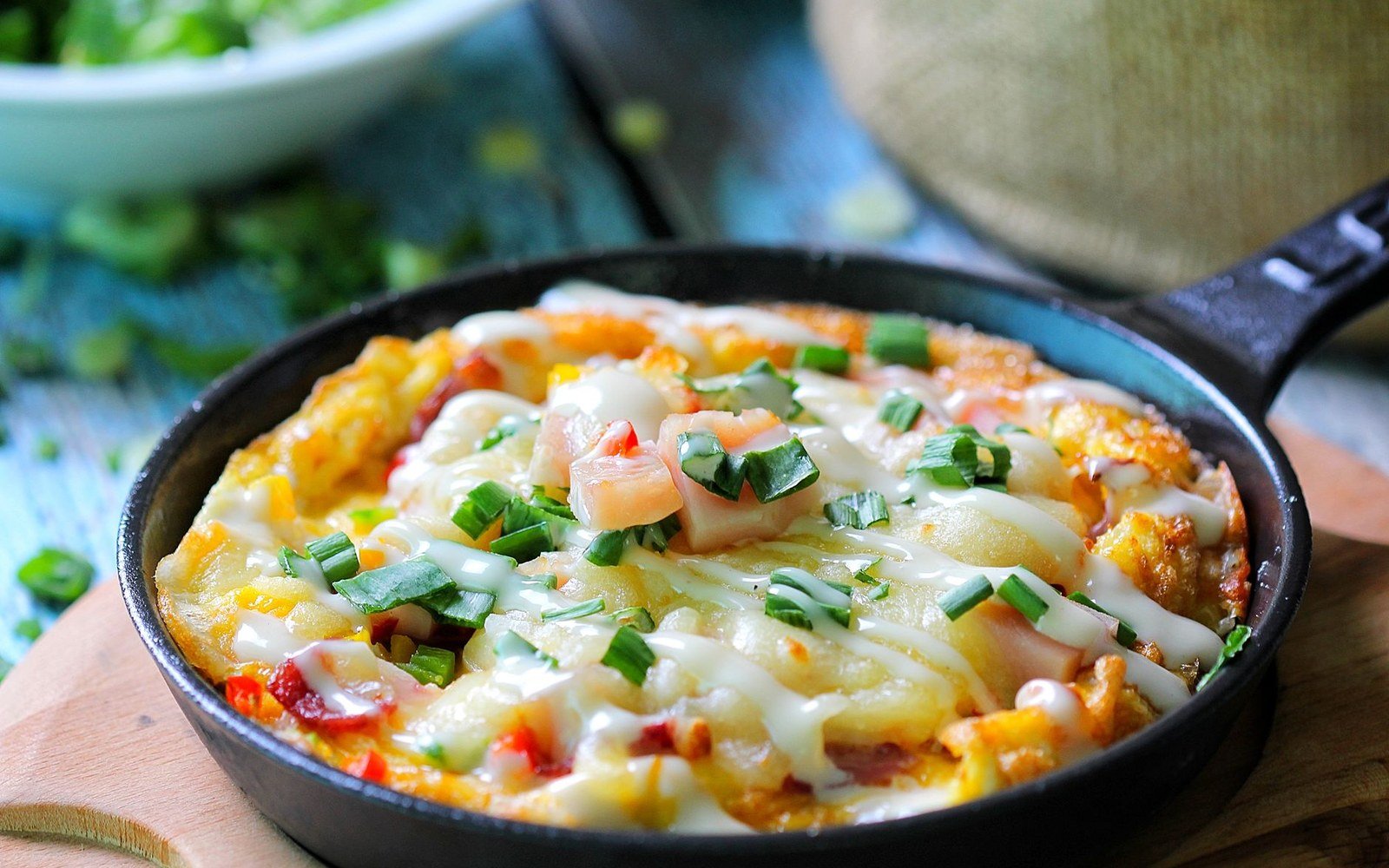
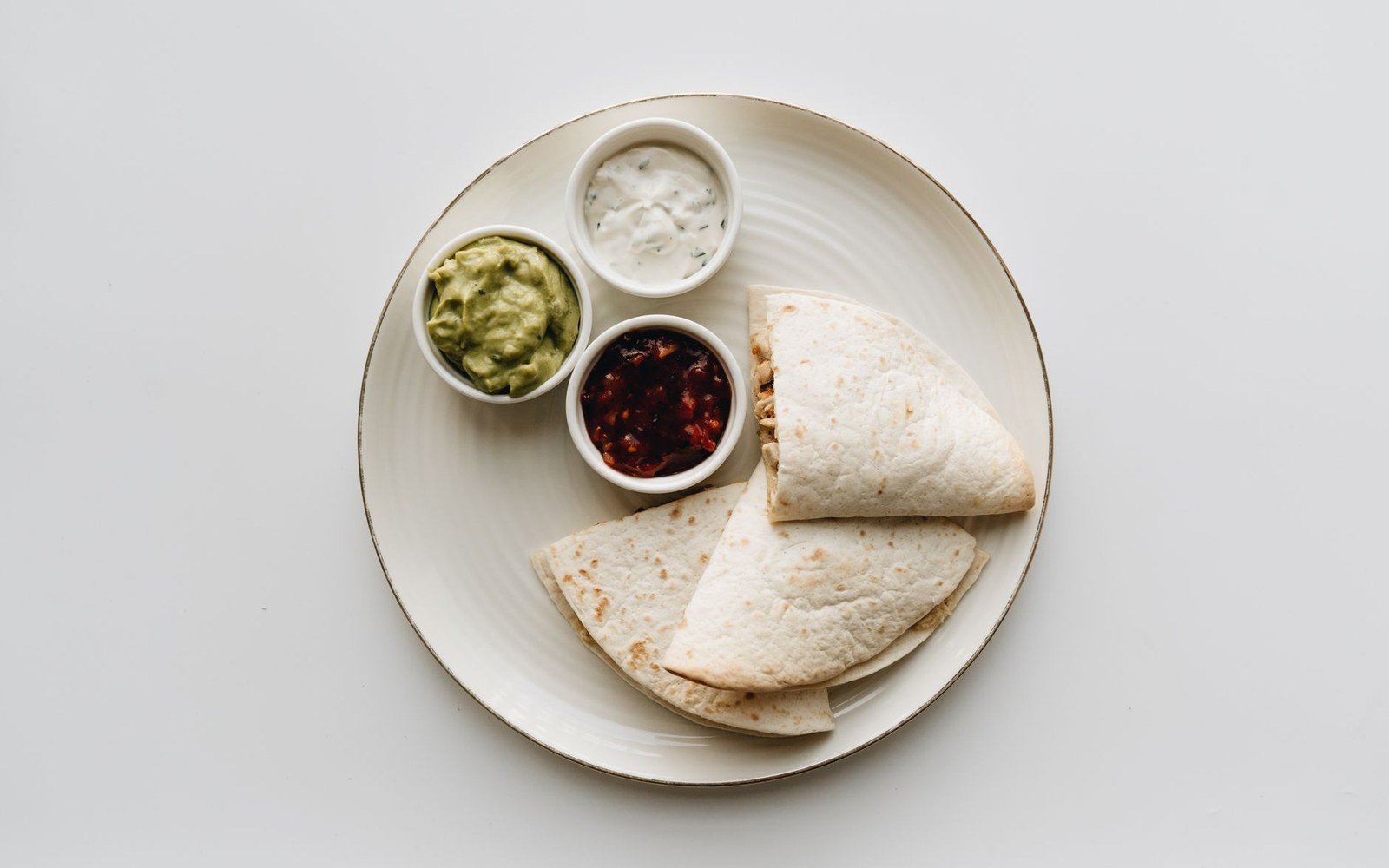 PL. 03