Fresh masa and masa harina
What is lost in drying, and where the difference shows on the plate.
Two ways to start the same dough
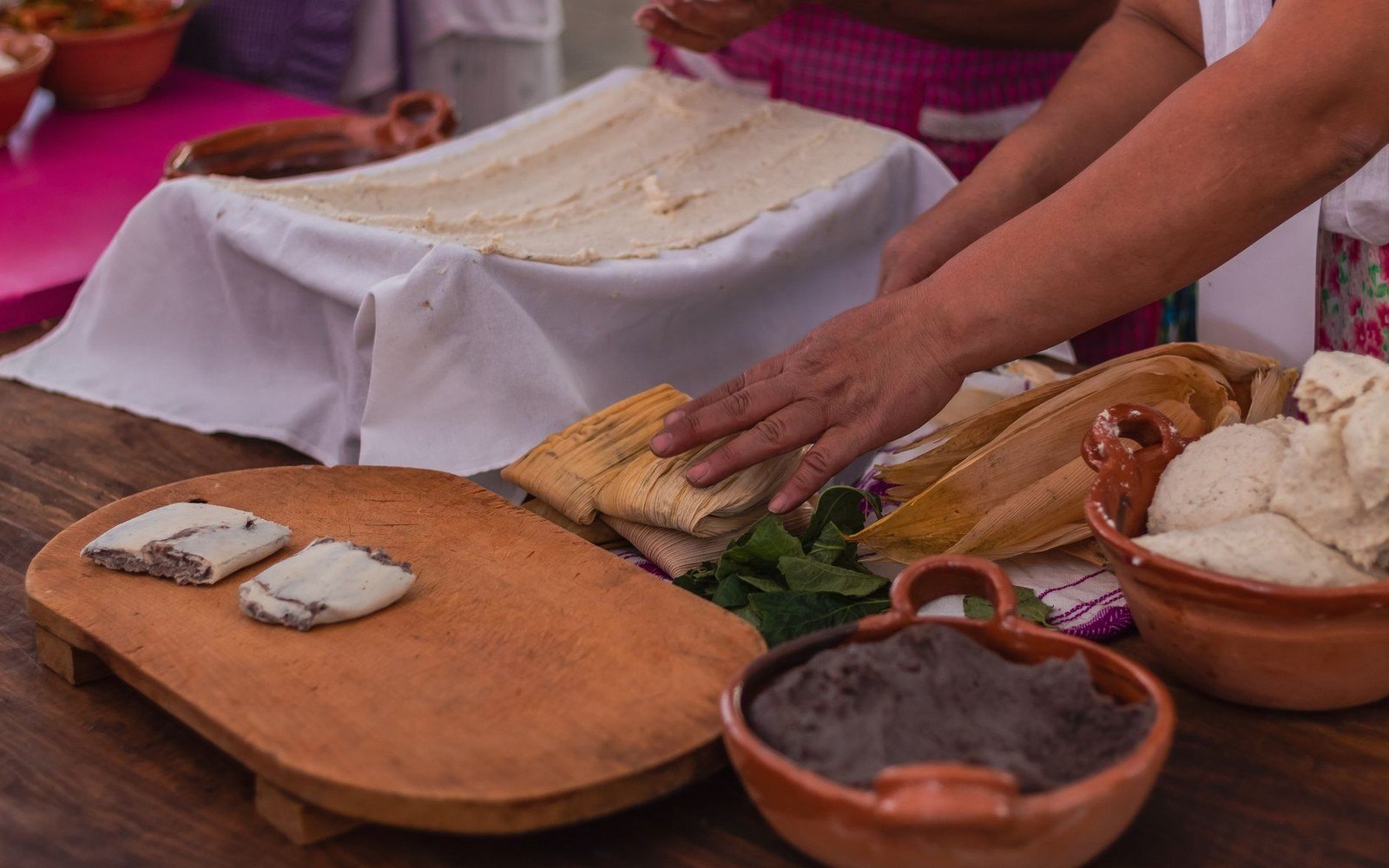
Nixtamalised corn ground while still wet is fresh masa — a living, perishable dough that smells of the alkaline solution it was cooked in and behaves with a suppleness no dried product entirely recovers. Masa harina is the same corn, dried and powdered after nixtamalisation, then reconstituted with water when needed. The process is a practical bargain: shelf stability in exchange for texture.
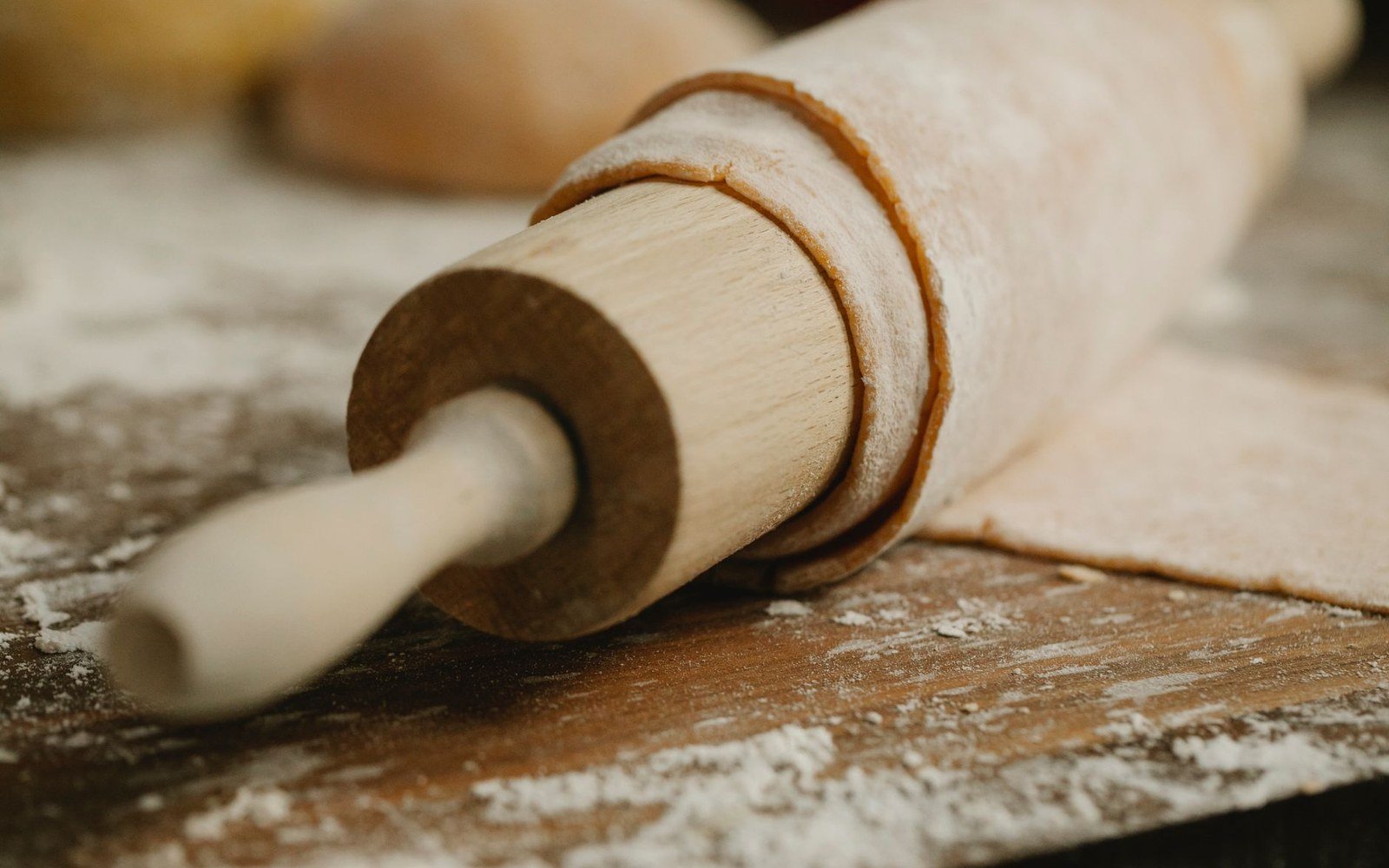
What drying removes, specifically, is moisture-bound starch structure. Fresh masa has a cohesion that comes from the gelatinised starches and the natural oils still present in the wet grind. When that mass is dried and rehydrated, the starches reassociate differently. The resulting dough is workable — and masa harina is the reason corn, lime, and masa became accessible far from a working molino (millstone mill) — but it is marginally denser, with less of the mineral sharpness that fresh masa carries through into the finished tortilla.
 PL. 04
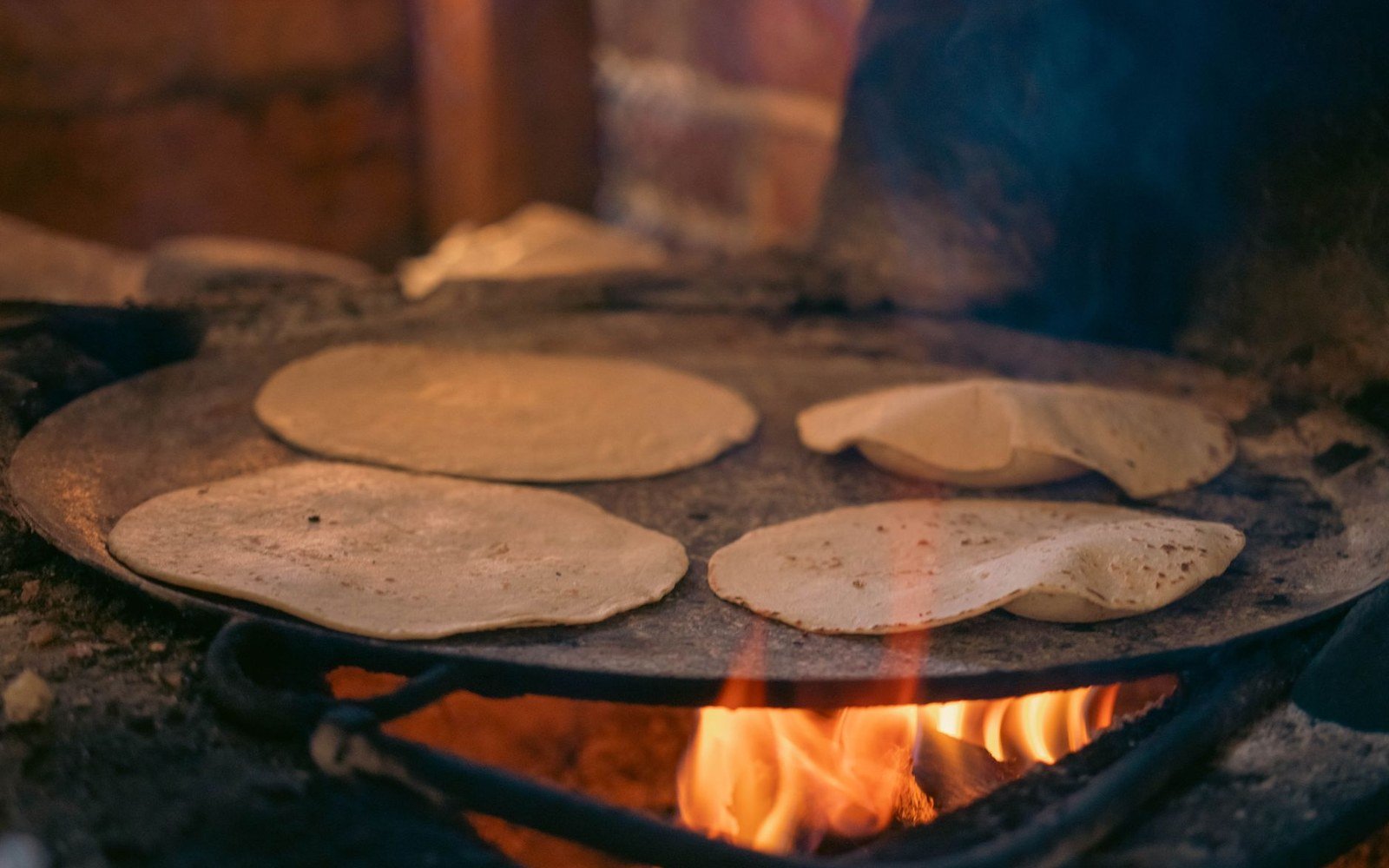
On the comal, the difference is visible. A tortilla made from fresh masa blisters more readily, the steam pockets forming quickly because the dough holds moisture evenly throughout. The interior stays tender; the exterior chars at the edges with a slight translucency. A masa harina tortilla can be excellent — the technique matters as much as the material — but it rarely gets quite that puff, and it dries faster off the heat.
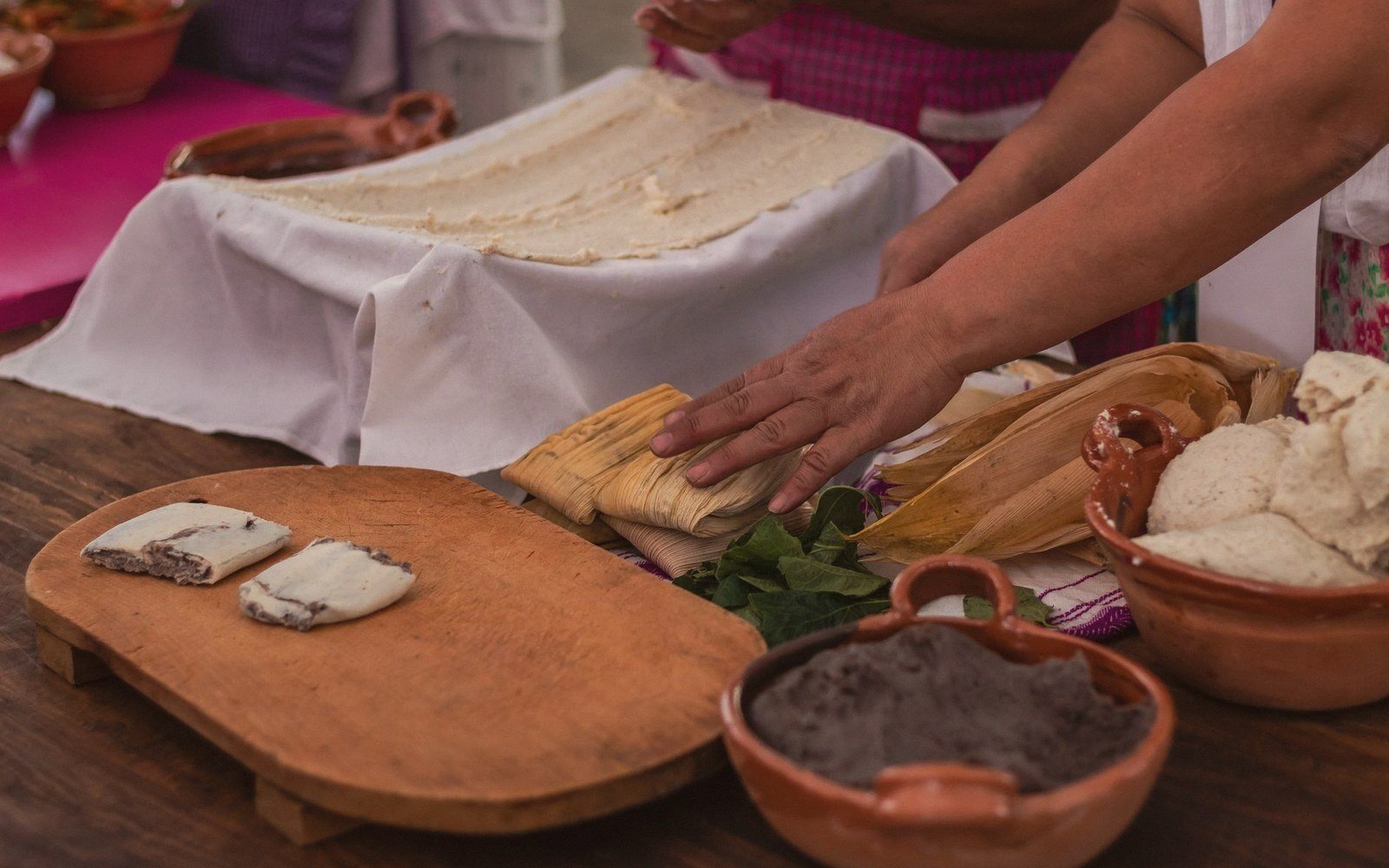
For tamales, fresh masa produces a lighter, more open crumb. For pupusas or gorditas, the difference is less dramatic because the thickness absorbs it. For a thin tortilla cooked hard and fast, it is the difference between a bread that steams itself from within and one that merely browns.
Tejano kitchens historically used whatever the local molino produced. The dried product industrialised that supply chain and made masa year-round and geography-proof. Neither version is inauthentic; they answer different conditions. The comal does not care which one you choose — but it will tell you, immediately, which one you brought.
 PL. 03