Fajitas
Skirt steak that was once part of a butcher's pay, and what marinade and grain direction do to it.
The cut nobody else wanted
Skirt steak is diaphragm muscle — the thin, heavily grained strip that runs along the inside of a beef rib cage. For most of the twentieth century, Anglo butchers considered it scrap, and it became part of the informal wages paid to vaqueros and ranch hands in south Texas and northern Mexico, men who were paid partly in cash and partly in the beef cuts nobody else claimed: organ meats, tough trim, and skirt.
The Spanish word faja means sash or strip, and fajita — the diminutive — describes the cut's shape before it describes a dish. What those ranch workers learned was that the skirt's open, coarse grain behaved differently from other cheap cuts. It did not need long braising. It needed high heat and fast cooking, sliced immediately afterward across that grain so the long muscle fibres were shortened at the knife.
The cut's unpromising reputation meant it stayed within Tejano ranch communities for decades. There is no evidence of fajitas appearing on restaurant menus before the 1970s, and the dish's movement into the wider market is well documented in the border region around the lower Rio Grande Valley, where meat markets and ranch cookouts kept the tradition running continuously from at least the mid-twentieth century.
 PL. 04
The marinade developed out of practical need. Skirt steak is acid-receptive — its open grain takes up citrus or vinegar quickly, and lime juice was cheap, abundant, and at hand in south Texas border cooking. Oil carried cumin and garlic into the fibres. The acid also began the process of relaxing the muscle, shortening the time the meat needed over fire. A few hours was enough; overnight was plenty.
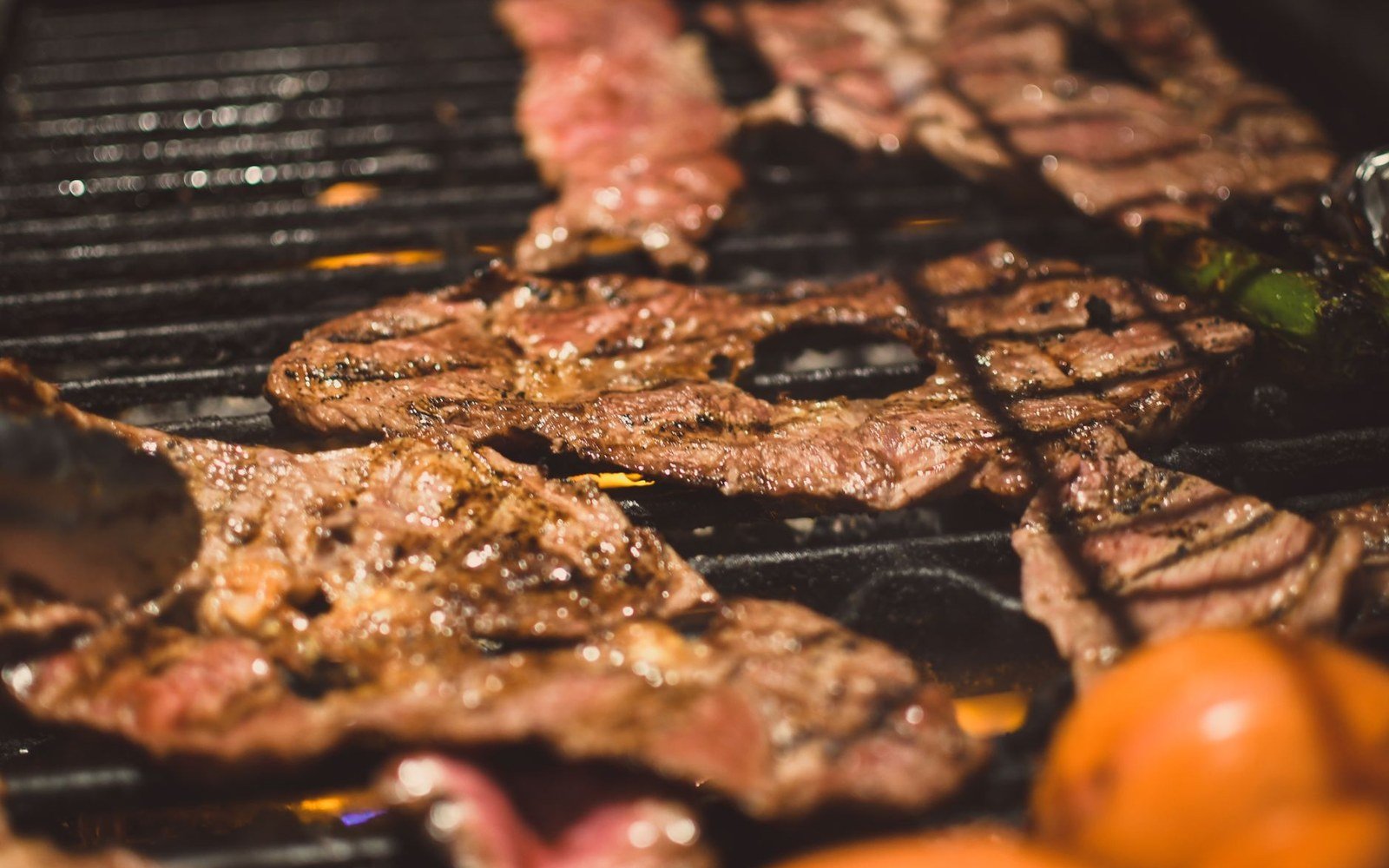
What the marinade cannot do is replace technique. Skirt must be cooked hard — over live fire or a very hot cast-iron surface — to char on the outside while staying just past rare inside. The window is short. Overcooked skirt turns fibrous and dry within minutes. And it must be sliced immediately, rested briefly, and cut decisively against the grain, or the chew defeats everything the marinade accomplished.
The sizzling presentation — meat arriving at the table on a screaming-hot cast-iron skillet — is a restaurant development, part of the dish's commercial expansion through Texas in the 1970s and 1980s. It performs the drama the dish already contains: live fire and fast heat, distilled into theatre. The accompaniments — flour tortillas, grilled onions and peppers, guacamole, sour cream — arrived as the dish moved indoors and onto printed menus. The ranch version needed none of them. It needed only fire, a good knife, and the knowledge of which way the grain ran.
 PL. 03