The Chili Queens
They cooked at home, hauled their pots to the plaza, and sold through the night — and for decades the city of San Antonio could not decide whether to celebrate them or close them down.
Who they were and what they ran
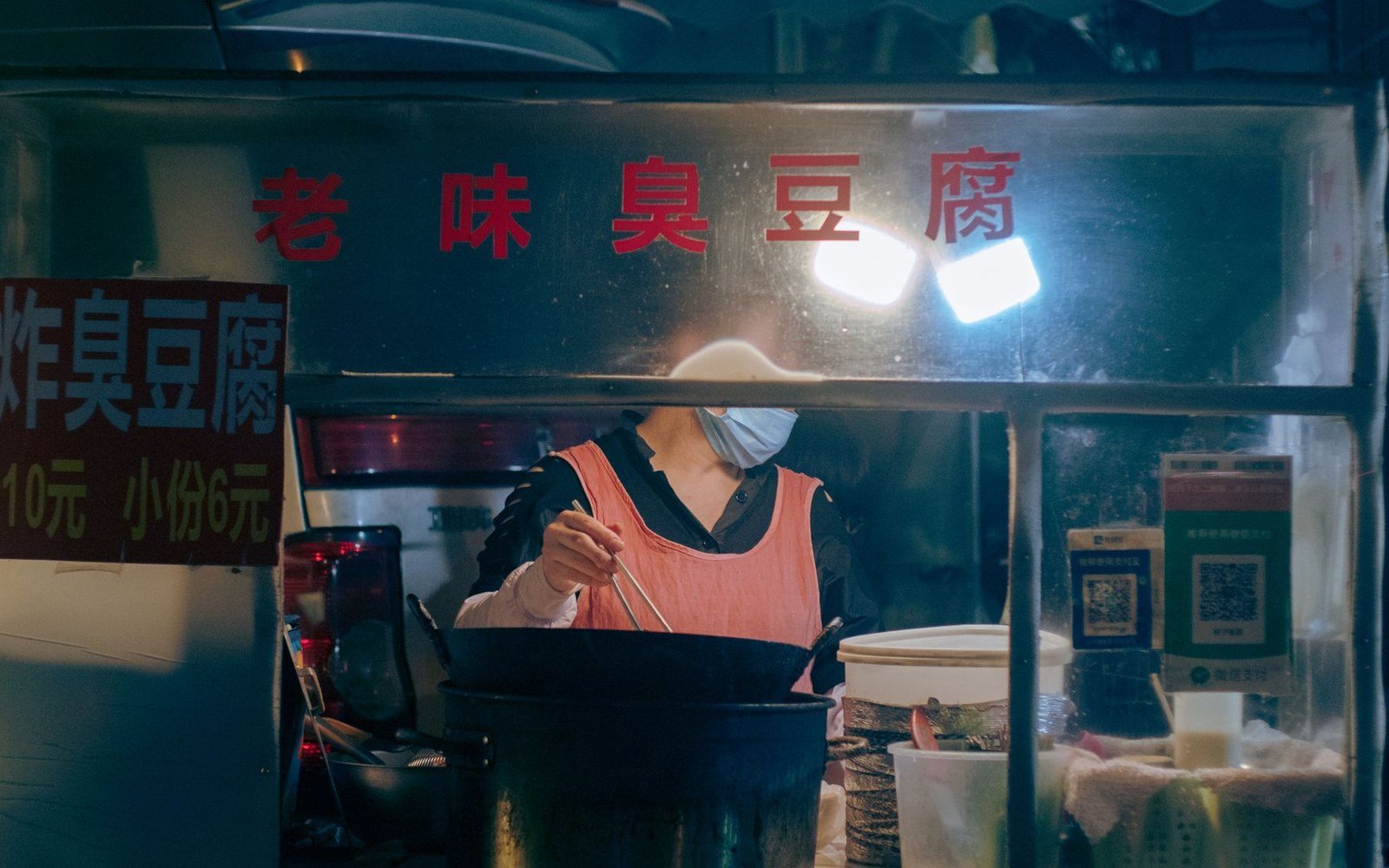
The women San Antonio called the Chili Queens had been working Military Plaza since at least the 1860s, possibly earlier. They were Tejana — Mexican-heritage women of Texas — and nearly all of them came from families already planted in the city for generations. Their operation was domestic labour made commercial: a pot of chili cooked at home, loaded onto a cart or carried in by mule, then set up by lamplight on a folding trestle in the plaza. Customers ate from clay bowls on rough plank tables while the cook worked the pot and called out her prices in Spanish and English alike.
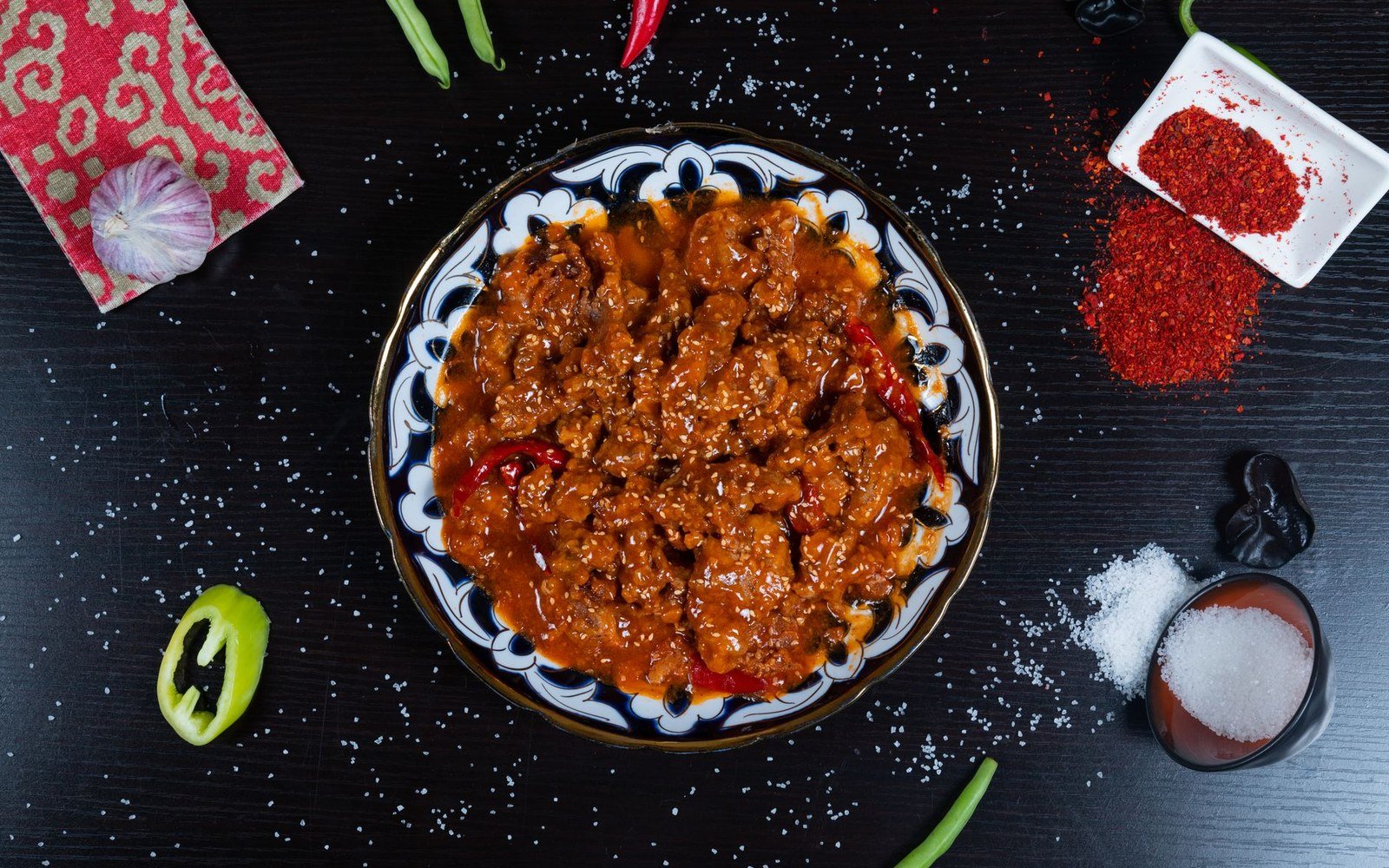
The chili they sold was not a restaurant approximation of something else. It was chili con carne in its original form — beef, dried chiles, cumin, oregano, no beans — simmered long enough that the fat from the meat and the body of the rehydrated chiles had merged into something dark and self-thickened. Bread came on the side, sometimes tamales. The price was low enough that labourers, soldiers from the nearby garrison and late-night drinkers could all afford a bowl. For visitors arriving from the north or east, this was frequently the first unfamiliar food they had ever tasted, and it made an impression strong enough that they wrote about it: in travel columns, letters home, newspaper features. San Antonio's culinary reputation, to the degree it had one by the 1880s, rested substantially on what these women were cooking in the open air.
The scale of a given queen's operation varied. Some ran a single pot. Others commanded what amounted to small empires of trestles, borrowed relatives and regular hired hands. A successful stand might serve from dusk until two or three in the morning, six nights a week, with the operator returning to cook again through the following day. The plaza stand was the whole business model: no rent on a dining room, no formal supplier, no middleman except the market stall where chiles and meat were bought that morning.
The plaza as stage and the city as audience
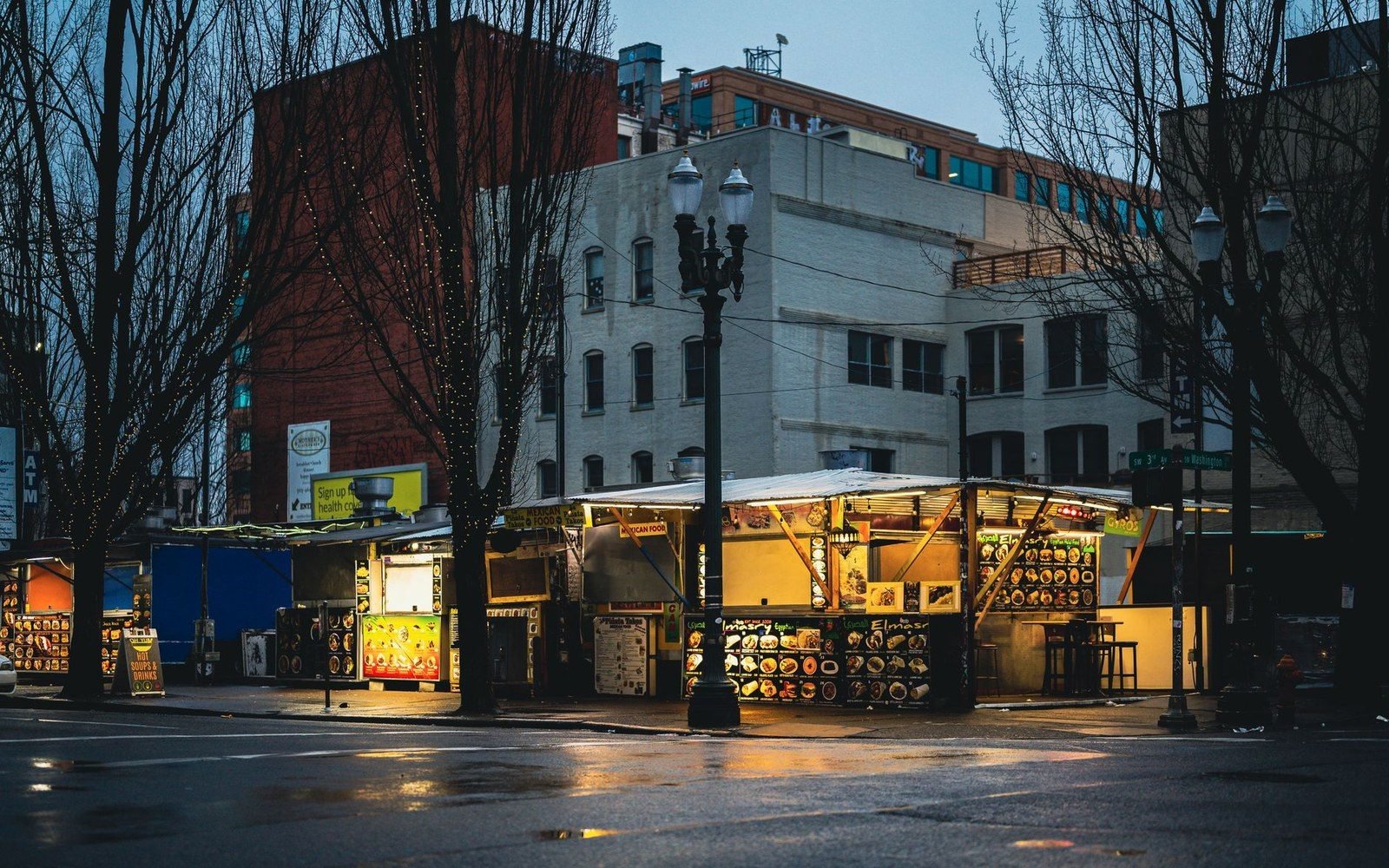
Military Plaza — La Plaza de las Armas — was the older of San Antonio's two main public squares, the one the Spanish colonial government had laid out to drill soldiers on. By the time the Chili Queens were its most visible feature, the plaza had long since become something more complicated: a produce market by day, a social and commercial space by evening, and by full dark a scene that drew curious visitors from across the country. Haymarket Plaza, a short distance away, was similarly used. Gas lamps, then later electric light, let the stalls run later and made the scene more visible — and more legible to the newspapers that began, from the 1880s onward, to publish romantic accounts of women in bright skirts serving bowls of fire by lamplight. Some of this coverage was genuine admiration. Some of it was the particular condescension that picturesque poverty always attracts from people who will never do the work themselves.
The Chili Queens understood the visibility and used it. Stands were draped with coloured cloth. Some operators dressed with deliberate theatricality. This was not vanity; it was advertising in the only medium available to a woman without a printed sign or a fixed address. The look of the operation was part of what people were paying for, and the queens knew it before the city did.
 PL. 04
The city's attitude was, for most of these decades, ambivalent. San Antonio's boosters were proud to claim the queens as a civic attraction — they appeared in promotional literature, and a stylised version of the scene was staged at the San Antonio International Exposition of 1891 and repeated at later World's Fairs. Politicians ate at the stands. So did journalists, and the occasional writer passing through on the rail line that connected San Antonio to everywhere else by the 1880s. But civic pride sat uneasily alongside civic embarrassment. A street trade run by brown women on public ground did not match what the city's Anglo commercial class imagined the future looked like.
The ordinances and the end
Sanitation was the language the city eventually used, and the concerns were not entirely invented. Open food service in a plaza, with shared bowls washed in buckets of standing water and meat kept at ambient temperature for hours, carried real risk — the same risks every street food operation in every city of that era carried. San Antonio had recurring public-health crises, and the open-air stands were a visible target when health authorities needed to show they were acting.
The pressure came in stages. Through the late 1890s and into the early twentieth century, the city imposed requirements: covered enclosures, screened displays, inspected equipment, approved water sources. Each new rule added cost. A woman who had been running a profitable stand on almost no fixed overhead now needed to build or rent a screened structure, equip it to a standard, and submit to inspection. Some complied as best they could. Many could not. The economics that had made the trade possible — low barriers, high volume, cheap inputs — were precisely what the regulations dismantled.
By 1937, the last of the stands had been cleared from the plazas. The specific final closure is often dated to that year, when the city enforced rules that the remaining operators could not meet. The queens had not moved indoors and become restaurateurs, not on any scale that preserved what the trade had been. What moved indoors was a simplified version of their food, stripped of its context, served on printed menus in establishments that the queens themselves largely did not own. The restaurant turn that followed produced the Tex-Mex combination plate that the rest of the country came to recognise — but it was a transformation that benefited other people.
 PL. 03
What the Chili Queens had actually been — independent operators running a night-trade food business on public ground, with no intermediary between their cooking and their customers — was gone. Their contribution to the American imagination of Mexican-Texas food was enormous and largely uncredited. The chili they made, the cumin-heavy, chile-dark broth that no other city was producing at scale, had already spread far enough that it would outlive the stands by many decades. But the women who built that reputation cooked mostly without their names attached, and the city that used their image to promote itself let them be regulated out of existence without much ceremony.