The restaurant turn
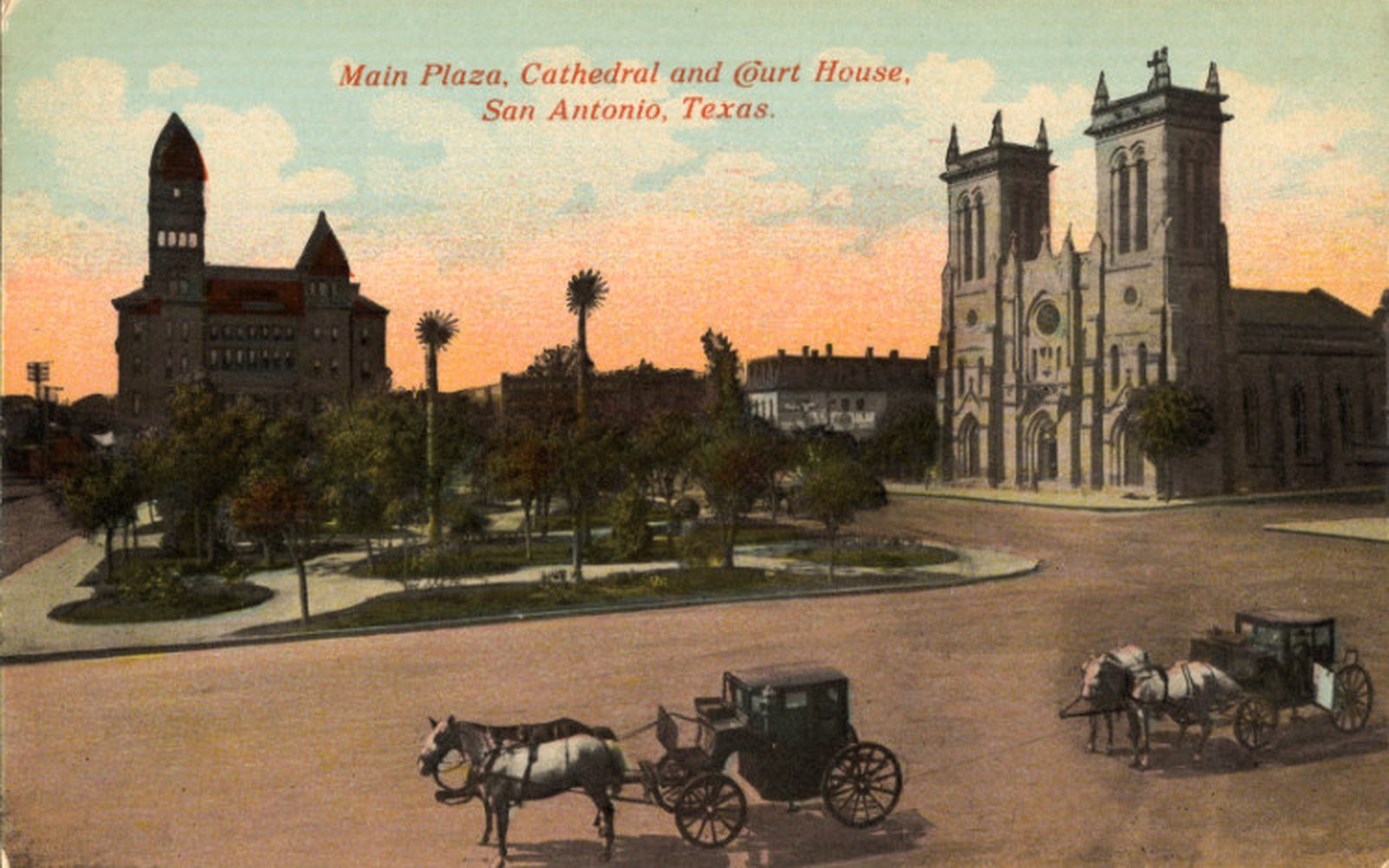
When the Chili Queens moved off the plaza, the food that replaced them was different in ways that mattered.
From plaza to dining room
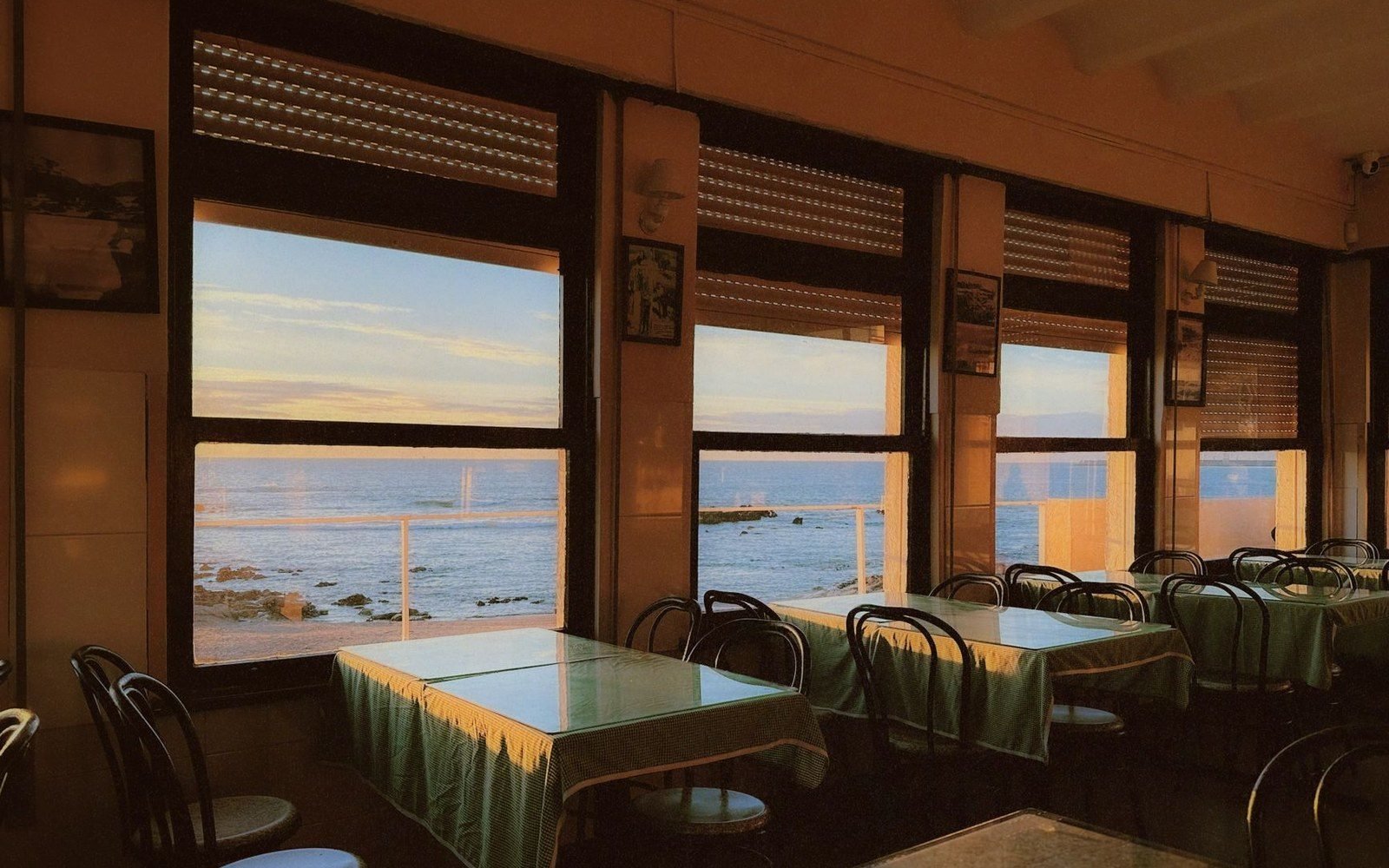
The shift from open-air stand to enclosed restaurant happened gradually across the early twentieth century, pressed along by San Antonio's health ordinances and the city's periodic drives to tidy up its plazas. But the more lasting consequence was not the enclosure itself — it was the printed menu.
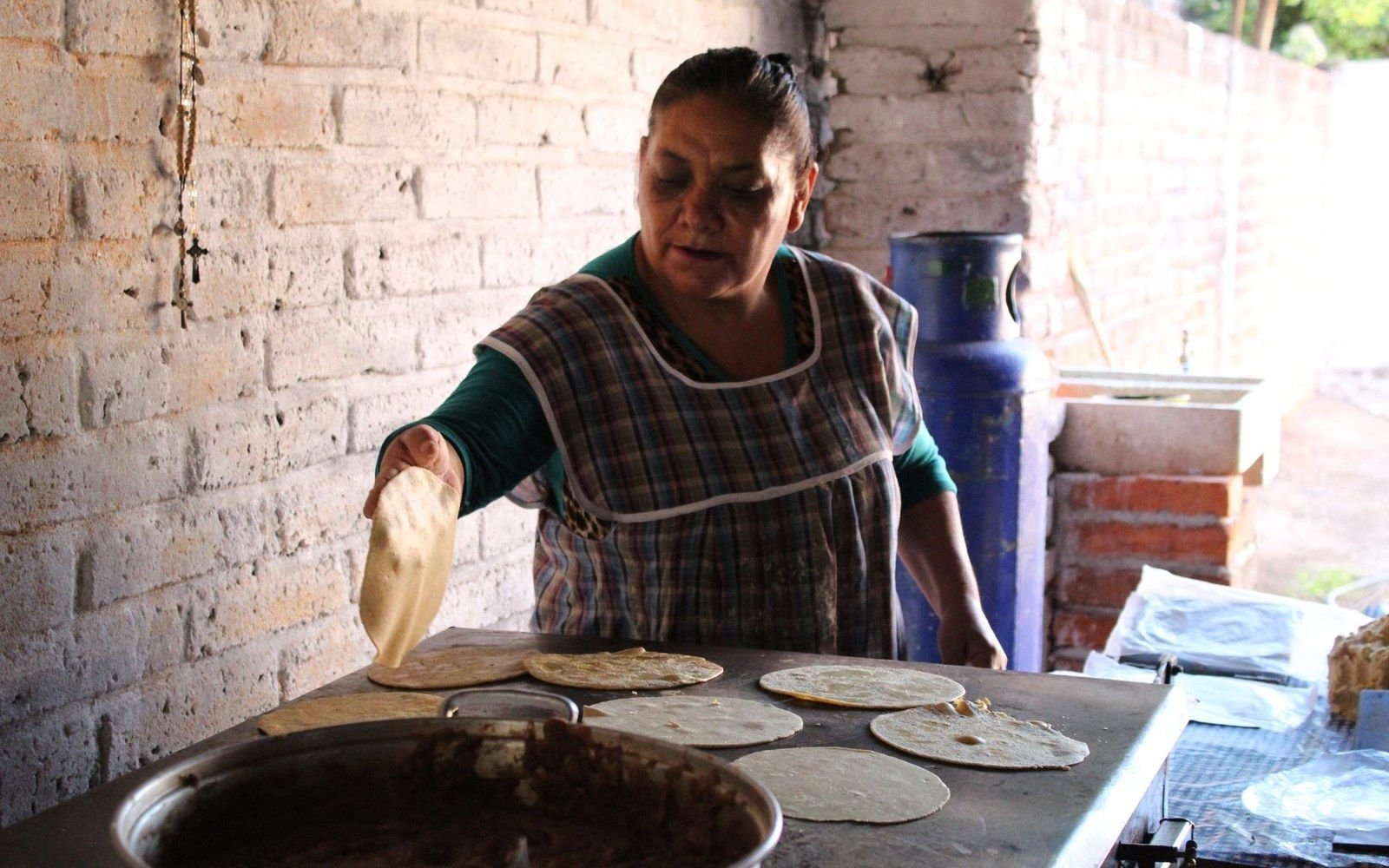
A menu fixes things. The Chili Queens working Military Plaza and Haymarket could adjust a dish night to night, season to season, scaling heat and fat to whatever was available and whoever was standing at the pot. A printed card cannot do that. The first generation of Tejano restaurant operators had to decide, once, what chili con carne was — how thick, how hot, what cuts — and then reproduce it. Standardisation was the price of a dining room.
 PL. 04
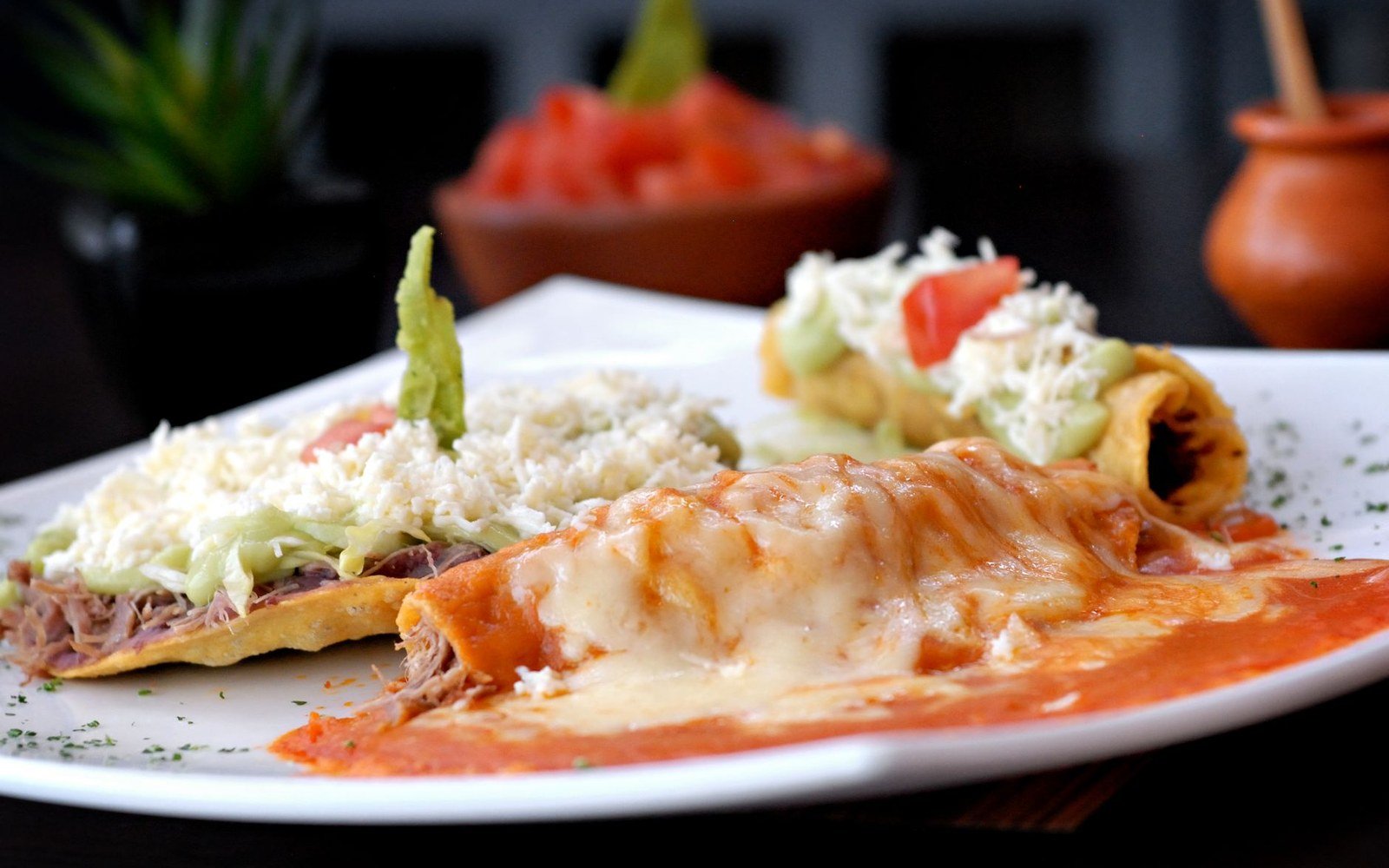
What got standardised was also shaped by the customer base those rooms were trying to attract. Anglo diners from outside the barrio brought expectations: food that looked familiar, portions that filled a plate, sauces that did not unsettle. The roux-thickened chili gravy that became the signature of the combination plate — poured over enchiladas, rice and beans — is a product of exactly that negotiation. It is not a Mexican regional preparation. It was built for a room with tablecloths and a mixed clientele.
Yellow processed cheese, already chosen for its behaviour under heat, melted reliably into those sauces in a way that fresh or aged cheese did not. The combination plate itself — enchiladas, rice, refried beans, often a tamale — became a template precise enough that a kitchen could train a line cook to produce it identically on every ticket. That reliability was the product, as much as the food.
None of this means the cooking lost its roots. The chile base, the cumin, the masa, the fat — these stayed. What the restaurant turn produced was a cuisine that had made its choices and written them down, which is a different thing from a cuisine that had not.
 PL. 03