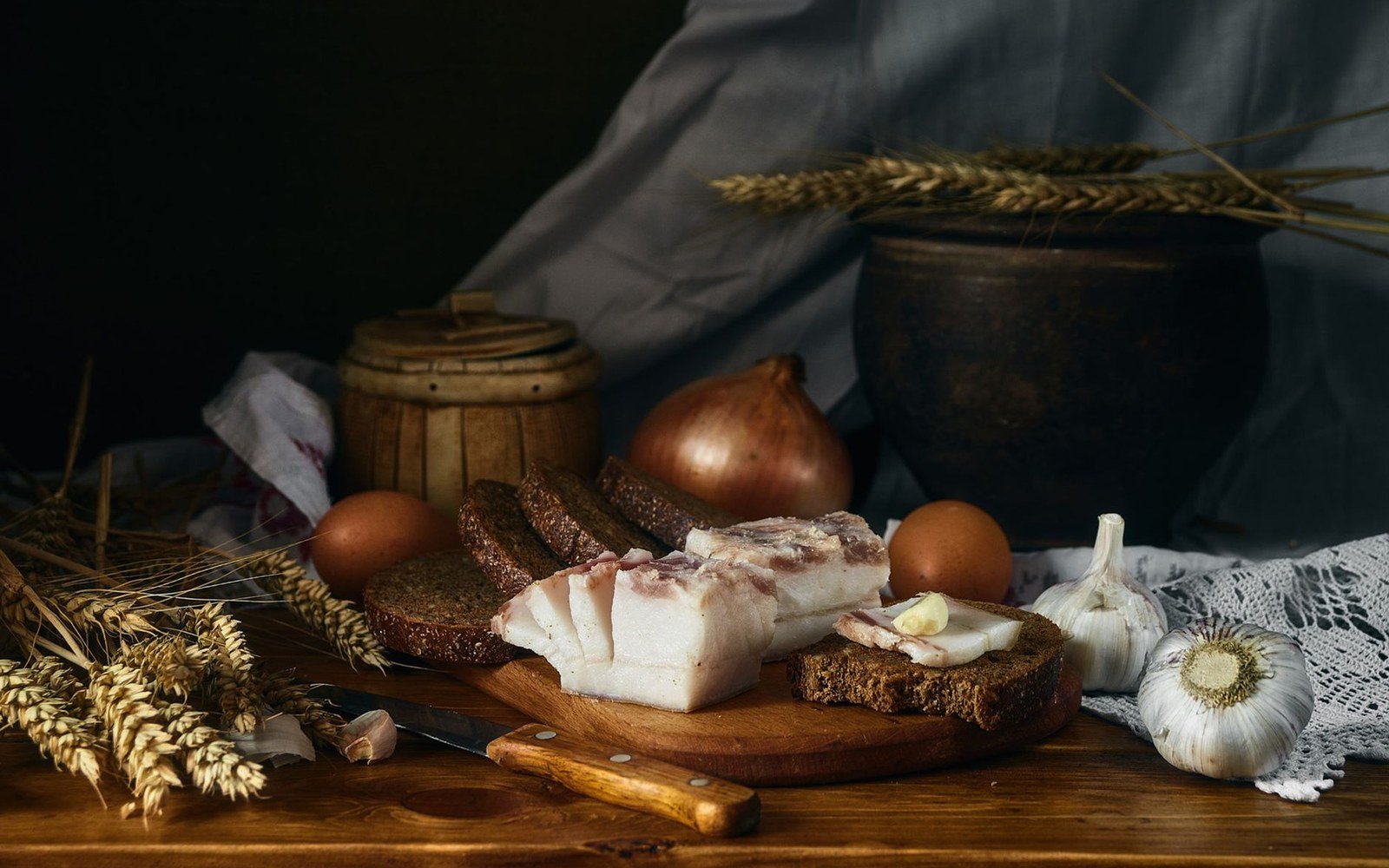
Lard and fat
The fat in a tortilla or a roux is not shortening by another name — it does a specific job, and the choice of fat changes the result.
What lard actually does
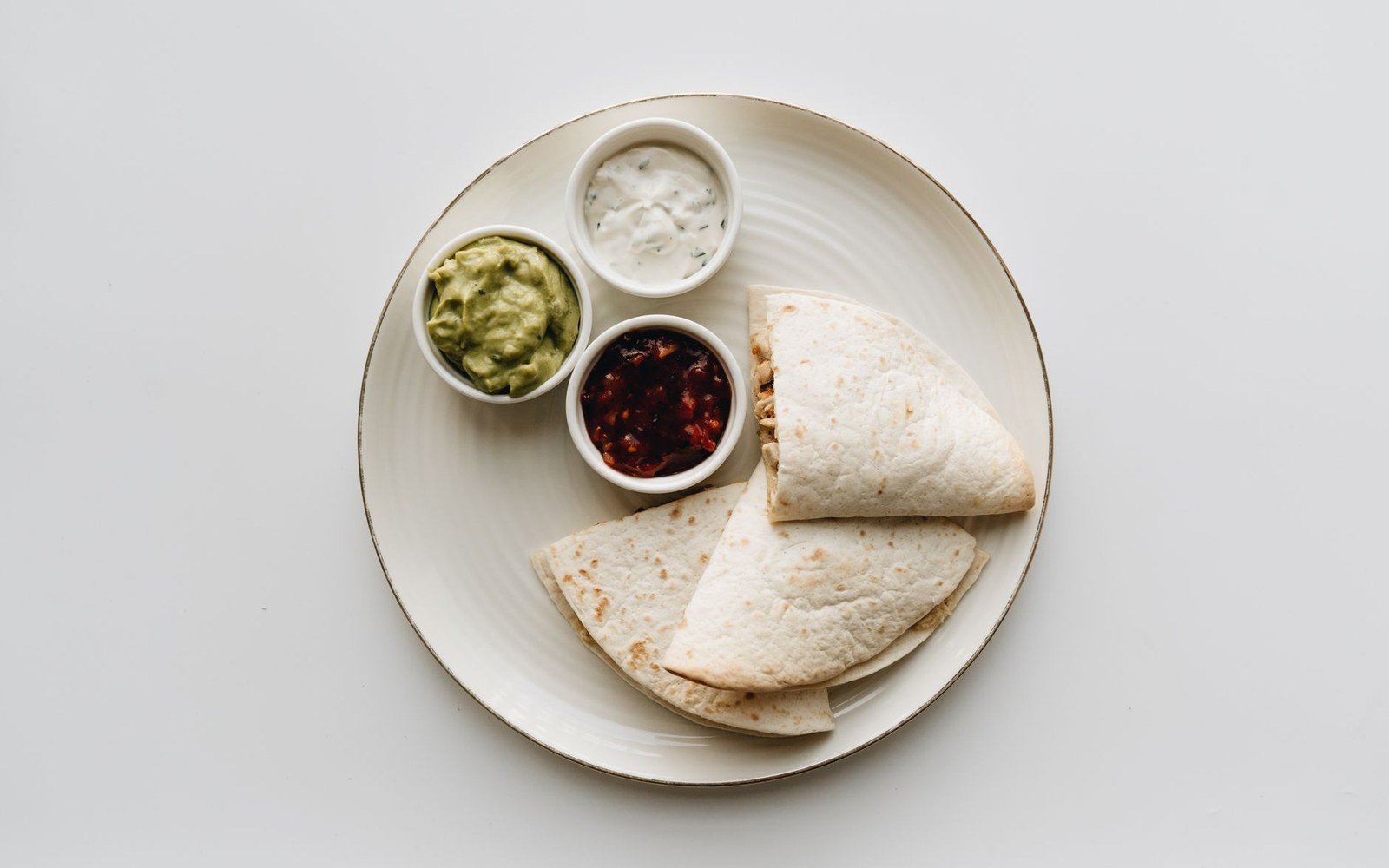
Lard is rendered pig fat, and its behaviour in dough is distinct from vegetable shortening or butter. Its fat crystals are large and irregular, which means they coat flour proteins loosely rather than tightly. In a flour tortilla dough, that loose coating limits gluten development just enough: the dough stays extensible, stretching thin without snapping back, and bakes to a texture that is soft but has a little pull to it. Vegetable shortening produces a slightly more tender, blander result — the fat is more fully hydrogenated, its crystals smaller and more uniform, and the gluten it coats is inhibited more completely. The tortilla holds together but loses some of the faint, savoury depth that lard carries from the rendering process.
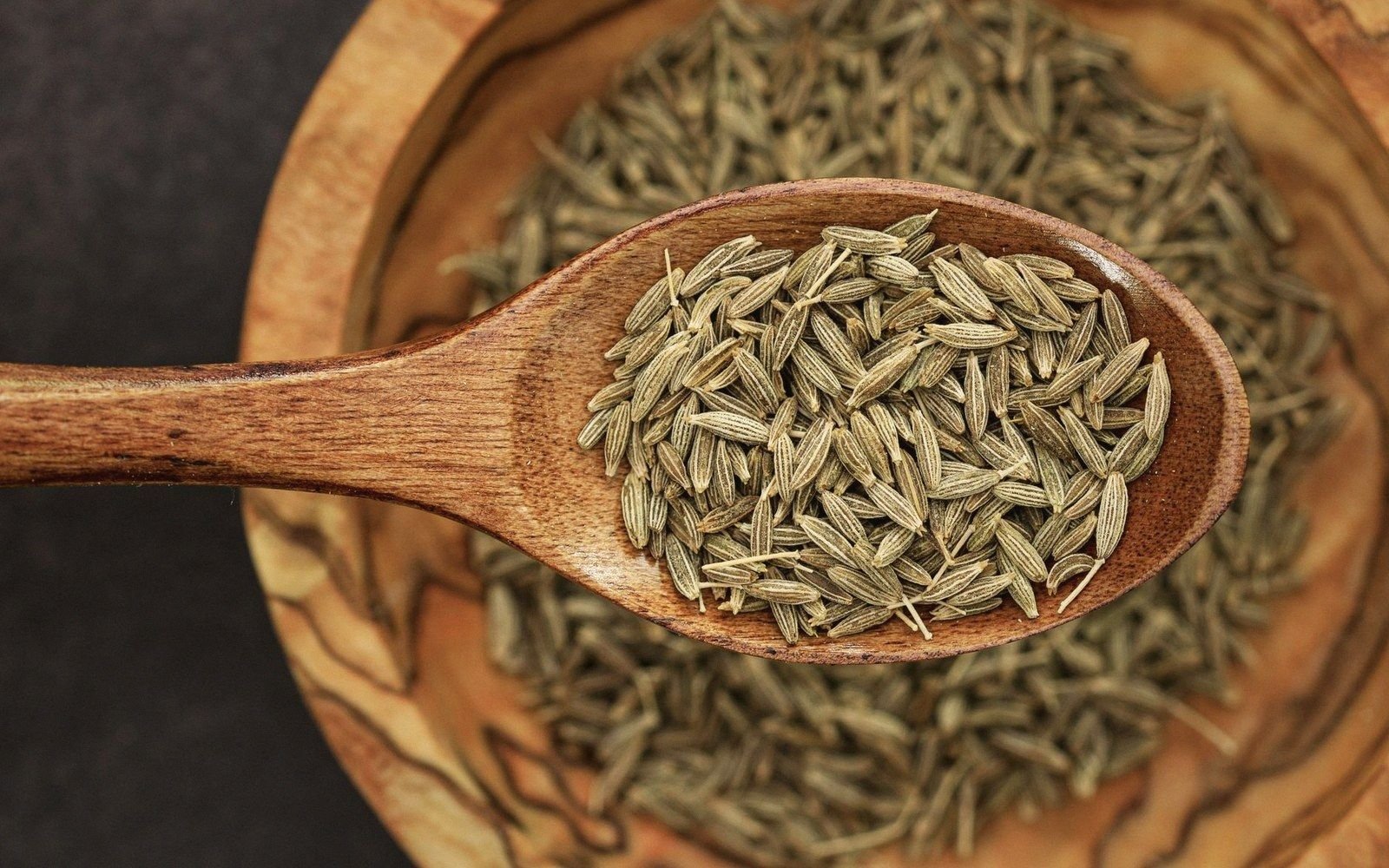
In a roux, lard behaves differently again. Chili gravy depends on a fat-and-flour roux cooked until the raw flour smell is gone, then extended with broth and dried-chile flavour. Lard tolerates the heat well — its smoke point is high enough for the job — and it contributes a neutral richness that lets the chile and cumin read clearly. Swap in a strongly flavoured oil and those background notes compete. Swap in butter and the dairy note is conspicuous and out of register for this particular kitchen tradition.
 PL. 04
The border kitchen used lard not from inertia but because it was the fat that was there: hog-raising was practical across northern Mexico and south Texas, and rendering lard from the whole animal was ordinary household economy. Vegetable shortening arrived in the twentieth century as an industrial product positioned as modern and shelf-stable. Many cooks adopted it; many did not. The difference is not dramatic, but it is real.
Where lard matters most is in masa-based work — tamales especially. The fat is beaten into masa to aerate it, and lard, with its particular crystal structure, holds air better during that process than most substitutes. A tamale dough made with lard has a lighter, more open crumb. The swap is noticeable in a way that a swap in a flour tortilla, frankly, is not.
 PL. 03